
Office Fit Out: Design, Costs, Trends & Choosing the Right Company
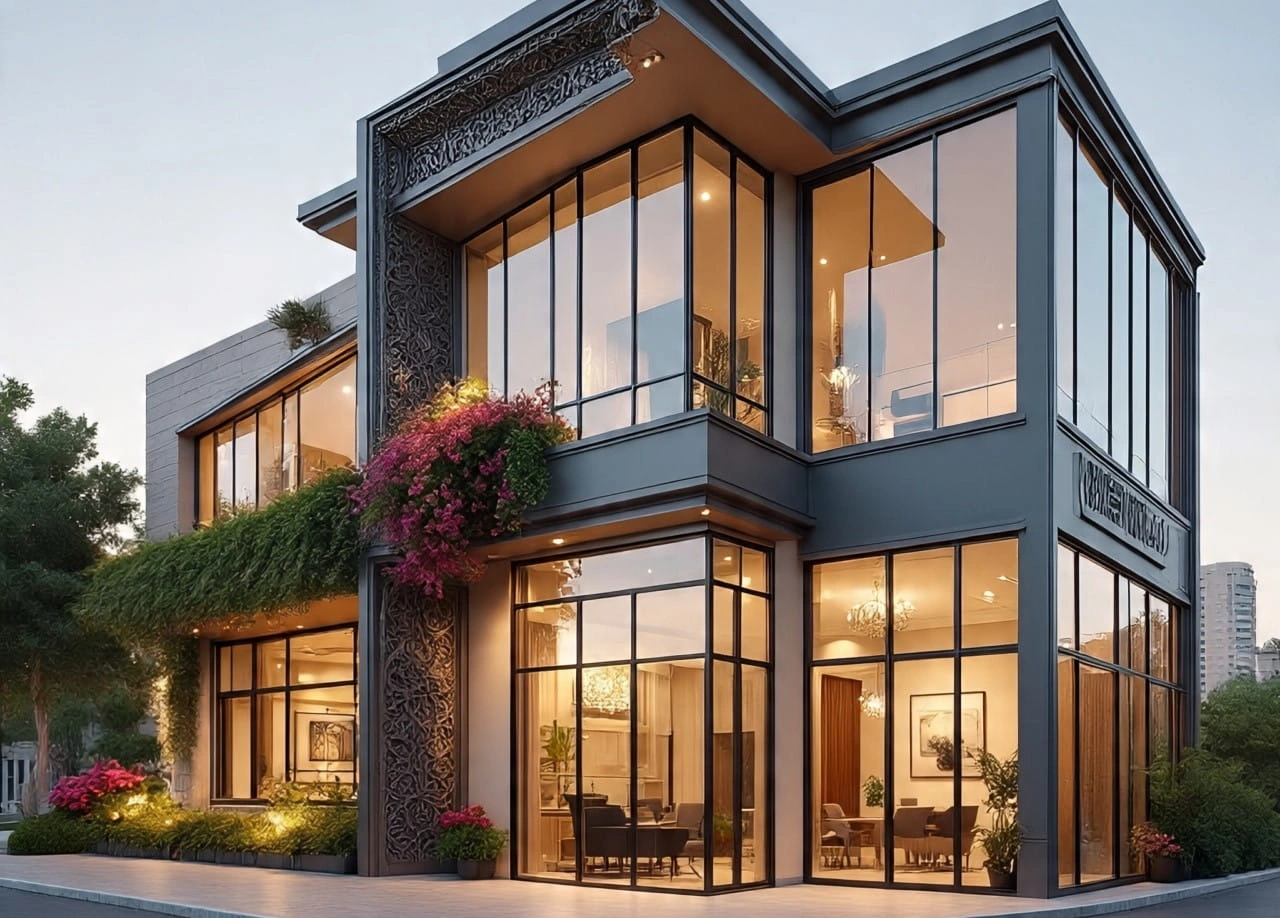
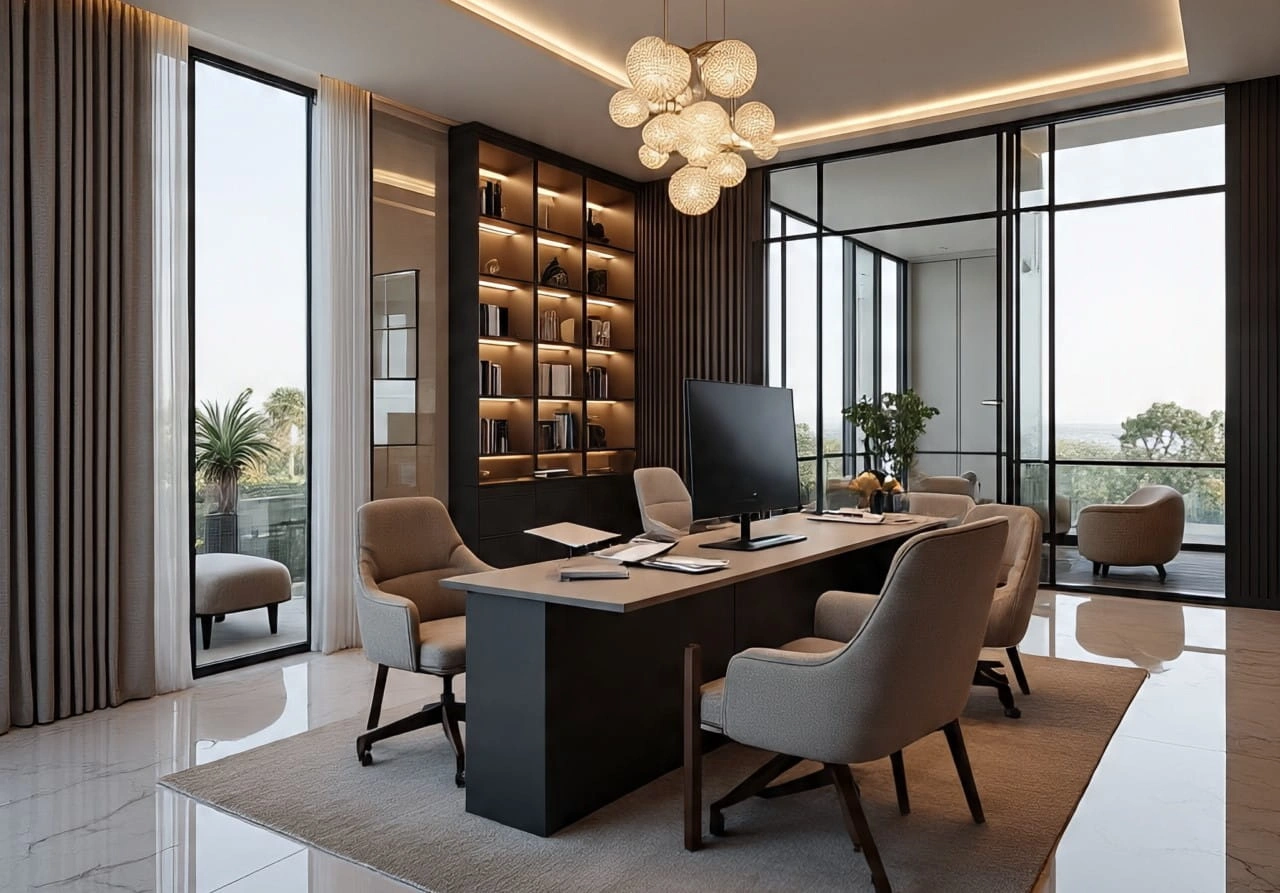
A well-designed office is one of the most powerful tools a business has. In Dubai’s competitive commercial landscape, the workplace shapes productivity, wellbeing, and brand perception, influencing everyone from employees to visiting clients. A professional office fit-out transforms an empty space into a functional, inspiring environment that supports how a company actually works and the image it wants to project.
Modern workplaces are about far more than desks and chairs. They balance focused work with collaboration, offer variety and flexibility, and reflect the culture and ambitions of the business. Thoughtful planning, quality materials, and considered detailing create a workspace that people genuinely enjoy and that helps the organisation perform.
From sleek corporate headquarters to creative studios and growing startups, every fit-out is unique. Understanding how a team works, how it will grow, and how it wants to be seen is the foundation of a successful project that delivers real value long after completion.
Space Planning and Workflow
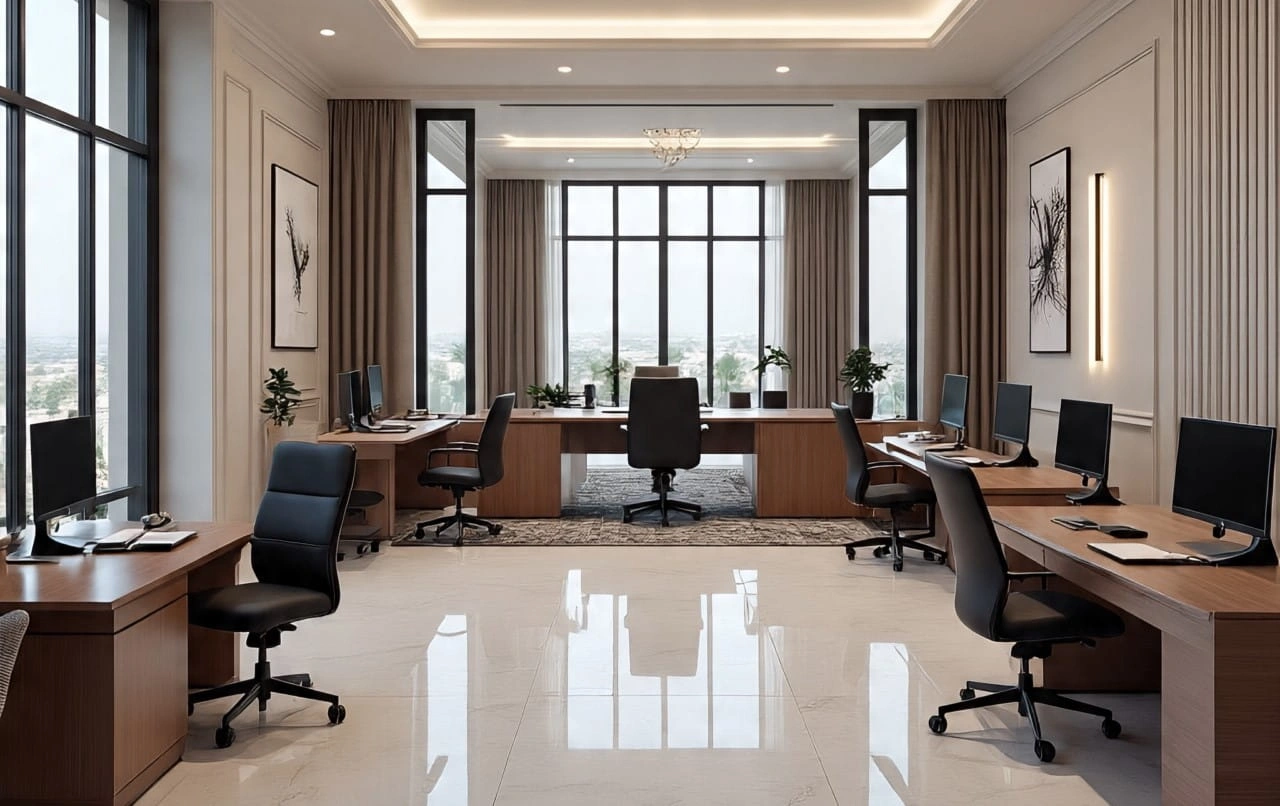
Effective office design begins with intelligent space planning. Understanding how teams work, move, and interact allows the layout to support productivity and collaboration. Balancing open-plan areas, meeting rooms, quiet zones, and break-out spaces ensures the workplace serves a variety of needs throughout the day.
Smart planning also maximises the value of every square metre. Efficient layouts accommodate the team comfortably, allow for future growth, and keep circulation clear. The right plan turns available space into a workplace that genuinely enhances how the business operates.
Balancing Focus and Collaboration
The modern workplace must support both concentration and teamwork. While open-plan layouts encourage communication, they need to be balanced with quiet zones, focus rooms, and private areas where employees can work without distraction. Offering this variety supports different tasks and working styles.
Activity-based design gives people choice. Providing a range of settings, from collaborative hubs to quiet retreats, allows employees to choose the environment that suits the task at hand. This flexibility boosts both productivity and satisfaction across the team.
Reception and Client-Facing Spaces
The reception is a company’s first impression, setting the tone for clients, partners, and candidates. A well-designed entrance communicates the brand’s quality and personality instantly, creating confidence before a word is spoken. Considered materials, lighting, and branding make this space both welcoming and memorable.
These client-facing areas benefit from the same thinking that shapes effective retail space design, where first impressions and brand storytelling are everything. Applying that expertise to a reception or client lounge ensures it impresses visitors and reinforces the company’s image.
Branding and Workplace Identity
An office interior is a three-dimensional expression of company culture. Colours, materials, graphics, and detailing can all reflect the brand, creating an environment that reinforces identity and makes employees feel part of something cohesive. A well-branded workplace strengthens culture and pride.
Consistency reinforces the message. Carrying brand elements thoughtfully through the space, without overwhelming it, creates a professional, unified environment. This considered approach impresses visitors and helps attract and retain talent in a competitive market.
Lighting and Wellbeing
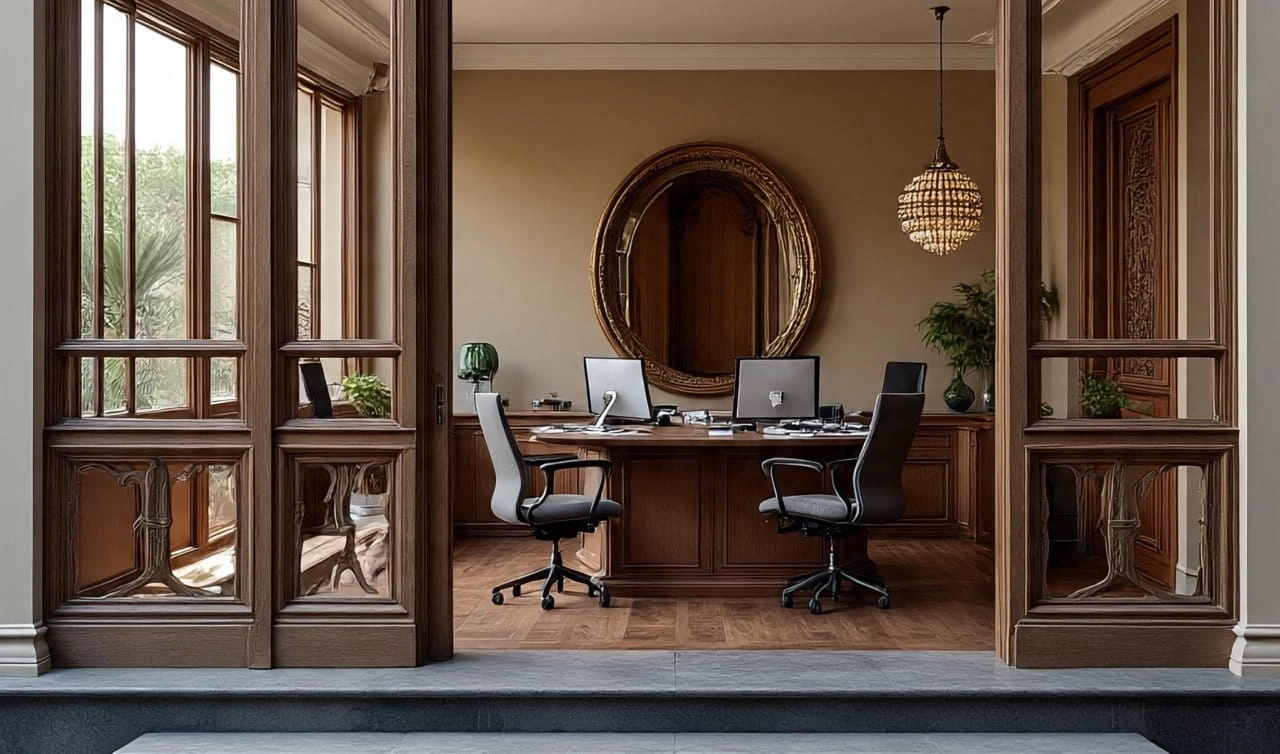
Lighting has a direct impact on productivity, mood, and health in the workplace. Maximising natural light wherever possible boosts wellbeing and energy, while well-designed artificial lighting reduces eye strain and supports focus. A layered approach ensures comfortable, effective illumination throughout the day.
Employee wellbeing extends beyond lighting. Good ventilation, comfortable temperatures, ergonomic furniture, and access to greenery all contribute to a healthier, happier workforce. Designing with wellbeing in mind improves both satisfaction and performance across the business.
Bespoke Joinery and Storage
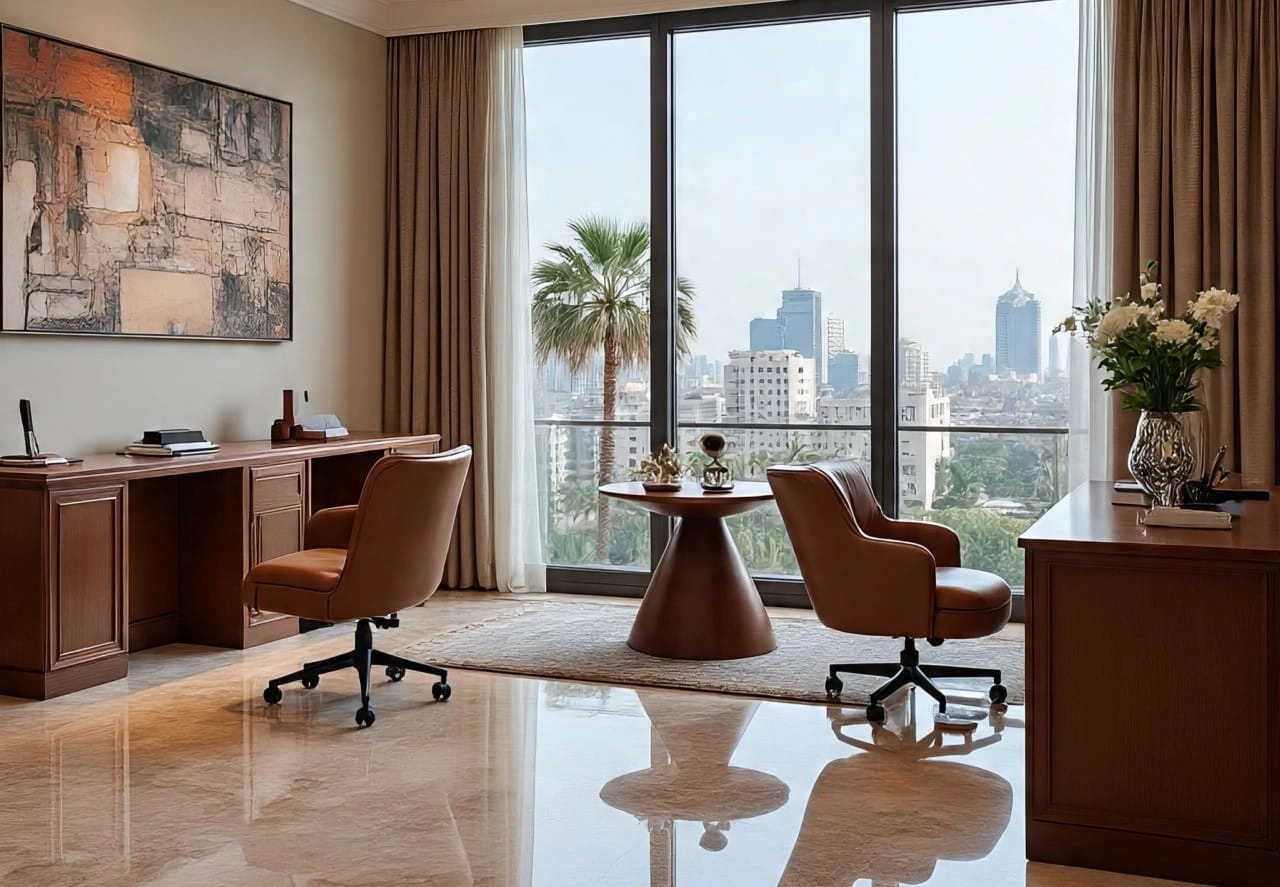
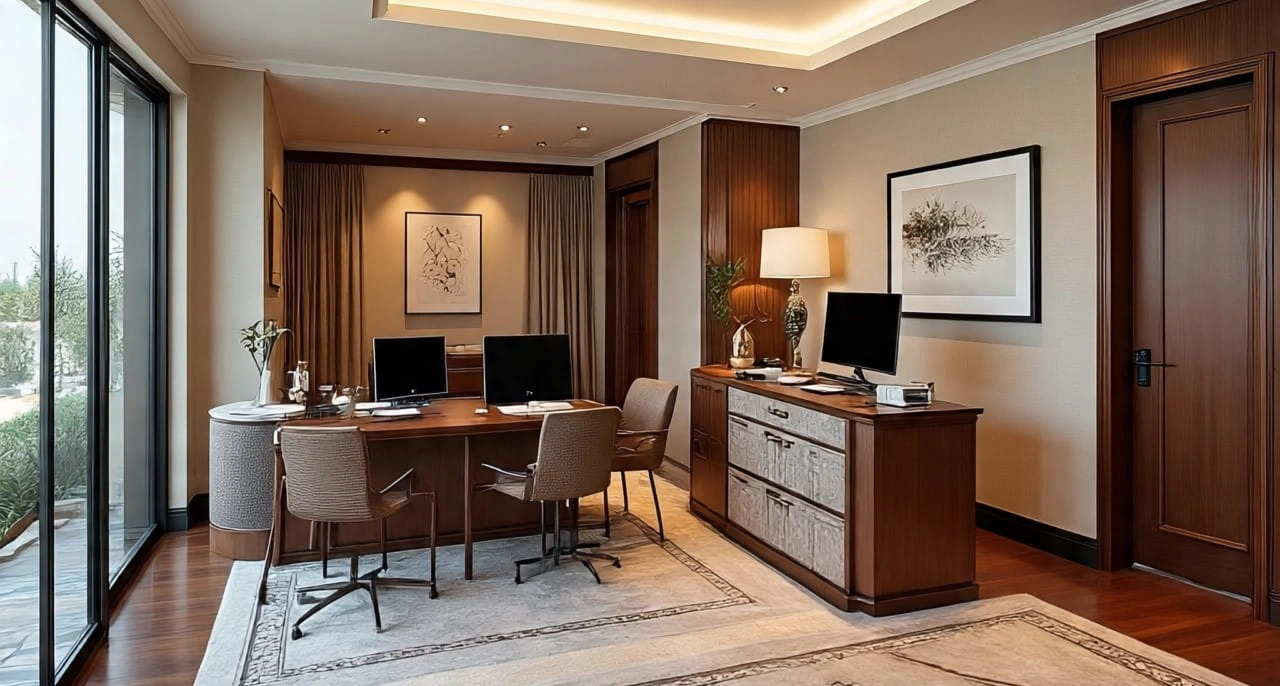
Tailored joinery is essential to a polished, efficient office. Custom storage, reception desks, meeting tables, and built-in solutions make the most of every space while reinforcing the brand and keeping the workplace organised. Bespoke elements fit perfectly and outperform standard furniture in both function and finish.
Quality fabrication makes all the difference. Precise, well-crafted custom joinery work delivers durable, beautifully finished features that elevate the entire fit-out. Investing in this craftsmanship ensures the office looks professional and functions seamlessly for years.
Meeting Rooms and Collaborative Spaces
Meeting rooms and collaborative areas are vital to modern business. Well-designed spaces equipped with the right technology, comfortable seating, and good acoustics support productive discussions, presentations, and teamwork. A range of sizes accommodates everything from quick catch-ups to formal board meetings.
Informal collaboration is equally important. Break-out areas, huddle spaces, and casual seating encourage the spontaneous interactions that drive creativity and connection. Providing varied settings ensures teams can collaborate naturally throughout the working day.
Acoustics and Comfort
Noise is one of the biggest challenges in open workplaces, so acoustic design is essential. Acoustic panels, soft furnishings, carpeting, and considered layouts control sound and reduce distraction, allowing employees to focus. Dedicated quiet zones and phone booths further support concentration.
Comfort underpins productivity. Ergonomic furniture, good climate control, and well-considered spacing keep employees comfortable throughout the day. A workplace that prioritises comfort supports both wellbeing and performance, reducing fatigue and improving focus.
Technology and the Modern Office
Seamless technology is fundamental to today’s workplace. Integrated AV in meeting rooms, reliable connectivity, smart lighting and climate control, and well-planned power and data all keep the office running smoothly. Good infrastructure supports hybrid working and evolving business needs.
Planning technology from the outset keeps the space clean and future-ready. Concealed cabling, considered power placement, and intuitive systems ensure technology enhances the workplace rather than cluttering it, supporting efficiency and flexibility.
Flexible and Future-Ready Workspaces
Businesses evolve, and workplaces must adapt with them. Flexible design, with movable partitions, modular furniture, and adaptable layouts, allows the office to grow and change without major disruption. This future-readiness protects the investment in the fit-out.
Hybrid working has made adaptability even more important. Spaces that support both in-office collaboration and remote connection keep teams productive however they work. Designing for flexibility ensures the workplace remains relevant as the business and ways of working change.
Sustainability in Office Design
Sustainability is increasingly central to workplace design. Energy-efficient lighting and systems, responsibly sourced materials, and durable finishes reduce environmental impact and running costs. A greener office also reflects positively on the brand and supports corporate responsibility goals.
A healthy, sustainable workplace benefits everyone. Good air quality, natural materials, and biophilic touches such as greenery improve wellbeing while reducing the environmental footprint. These choices create a workplace that is better for both people and the planet.
Designing for Different Industries
Every sector has distinct workplace needs. Corporate firms often require formal meeting spaces and a polished, professional image, while creative agencies favour open, flexible, and inspiring environments. Tech companies prioritise collaboration and adaptability, and professional services value privacy and discretion.
Understanding these differences is key to an effective fit-out. Tailoring the layout, atmosphere, and facilities to the specific industry and company culture ensures the workplace genuinely supports how the business operates and the impression it wants to create.
Break-Out and Wellbeing Areas
Dedicated break-out and wellbeing spaces have become essential to the modern office. Comfortable lounges, kitchens, and relaxation areas give employees somewhere to recharge, socialise, and step away from their desks, which supports wellbeing and helps prevent burnout.
These spaces also foster culture and connection. Informal areas encourage spontaneous conversation and collaboration across teams, strengthening relationships and creativity. Well-designed break-out zones are an investment in both employee happiness and business performance.
Coworking and Shared Workspaces
Coworking and shared workspaces require a particular design approach that balances flexibility, community, and individual productivity. A variety of settings, from hot desks and private offices to meeting rooms and social areas, accommodates diverse members and working styles within one cohesive environment.
Atmosphere is central to these spaces. A welcoming, well-designed coworking environment attracts and retains members, while smart planning ensures it functions efficiently. Quality design is a key differentiator in this increasingly popular sector.
Maximising Compact Offices
Smaller offices can be highly effective with intelligent design. Efficient layouts, multifunctional spaces, smart storage, and light finishes make compact workplaces feel open and productive. Every square metre is planned to deliver maximum function and comfort.
Clever solutions such as folding partitions, shared multipurpose rooms, and vertical storage help a small office accommodate a full team comfortably. Thoughtful planning ensures even a modest space feels professional, organised, and pleasant to work in.
Managing the Fit-Out Process
A smooth fit-out depends on careful management from start to finish. Clear planning, accurate budgeting, and coordinated scheduling keep the project on track and minimise disruption to the business. Managing approvals, trades, and timelines professionally is essential to a successful outcome.
Strong project management protects both quality and budget. Coordinating every discipline, maintaining clear communication, and handling compliance and snagging ensure the finished workplace meets expectations and is delivered ready to use, on time and to a high standard.
Adding Value to Your Business
A professionally designed workplace is a direct investment in business success. An office that boosts productivity, supports wellbeing, and impresses clients contributes measurably to performance, talent retention, and brand perception, delivering returns that extend well beyond the initial cost.
Quality design also protects the value of the fit-out over time. Durable materials, flexible layouts, and a timeless yet distinctive aesthetic keep the workplace effective and on-brand for years, maximising the long-term return on the investment.
Frequently Asked Questions
How long does an office fit-out take? Timelines vary with size and complexity, typically ranging from a few weeks to several months. Clear planning and coordination keep the project on schedule.
How does office design affect productivity? Layout, lighting, acoustics, comfort, and variety all influence focus, collaboration, and wellbeing, directly impacting how effectively a team works.
Can an office be designed for future growth? Yes. Flexible layouts, modular furniture, and adaptable infrastructure allow the workplace to evolve with the business and changing ways of working.
Why Professional Design Pays Off
An office fit-out combines space planning, branding, joinery, lighting, acoustics, technology, and compliance into one complex project, so expertise is essential. Professional designers coordinate every discipline, optimise the space, and ensure the result supports productivity, wellbeing, and brand image.
With extensive experience across Dubai’s commercial sector, a skilled team translates how a business works into a workplace that performs. The outcome is an office that inspires employees, impresses clients, and delivers lasting value to the organisation.