
Studio Interior Design: Smart, Functional, and Modern Spaces
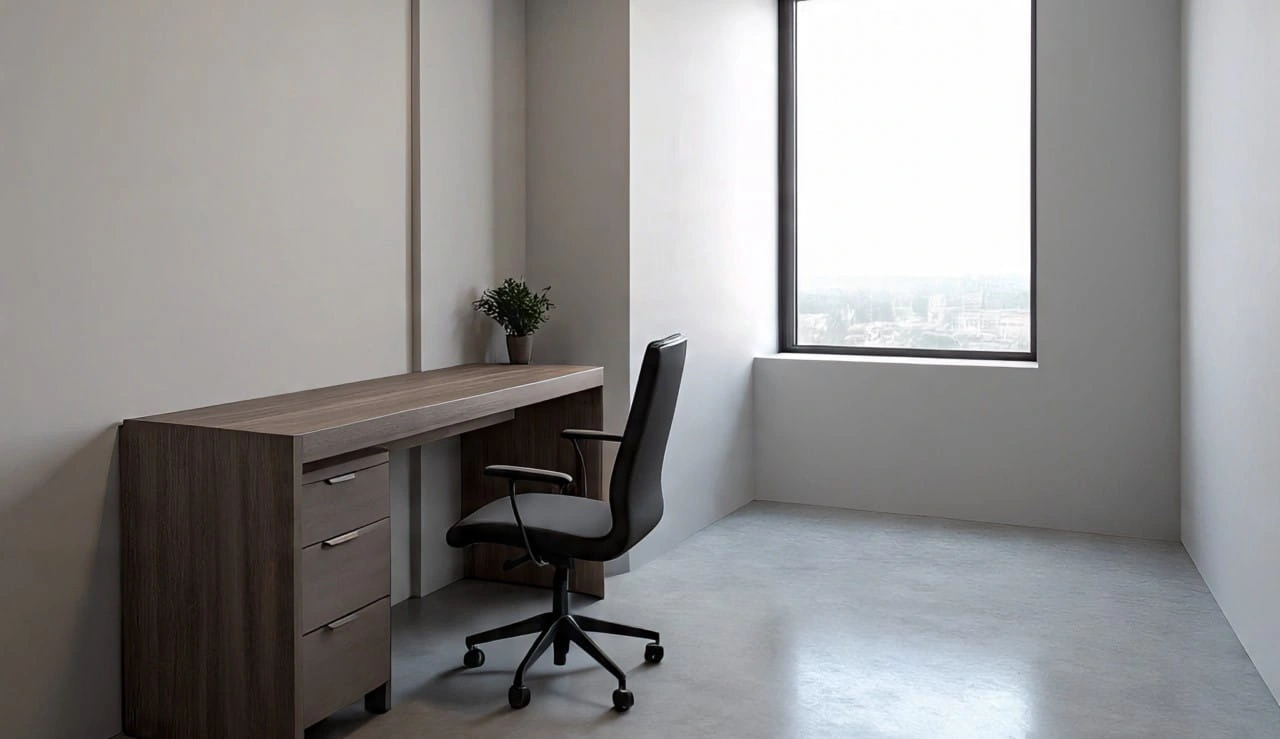
Studio apartments have become a defining feature of modern Dubai living. Compact, efficient, and centrally located, they suit professionals, investors, and anyone drawn to a streamlined urban lifestyle. Yet living well in a single open space is an art, and that is where clever studio design makes all the difference, transforming a small footprint into a stylish, highly functional home.
The challenge of a studio is also its opportunity. With one room serving as living, sleeping, dining, and often working space, every decision must earn its place. Smart zoning, multifunctional furniture, and a cohesive palette allow a studio to feel calm, organised, and surprisingly spacious rather than cramped or cluttered.
Done well, a studio can feel just as comfortable and refined as a larger home. Thoughtful planning, quality materials, and considered lighting create an interior that maximises every centimetre while delivering genuine style, proving that great design matters far more than square metres.
The Art of Zoning
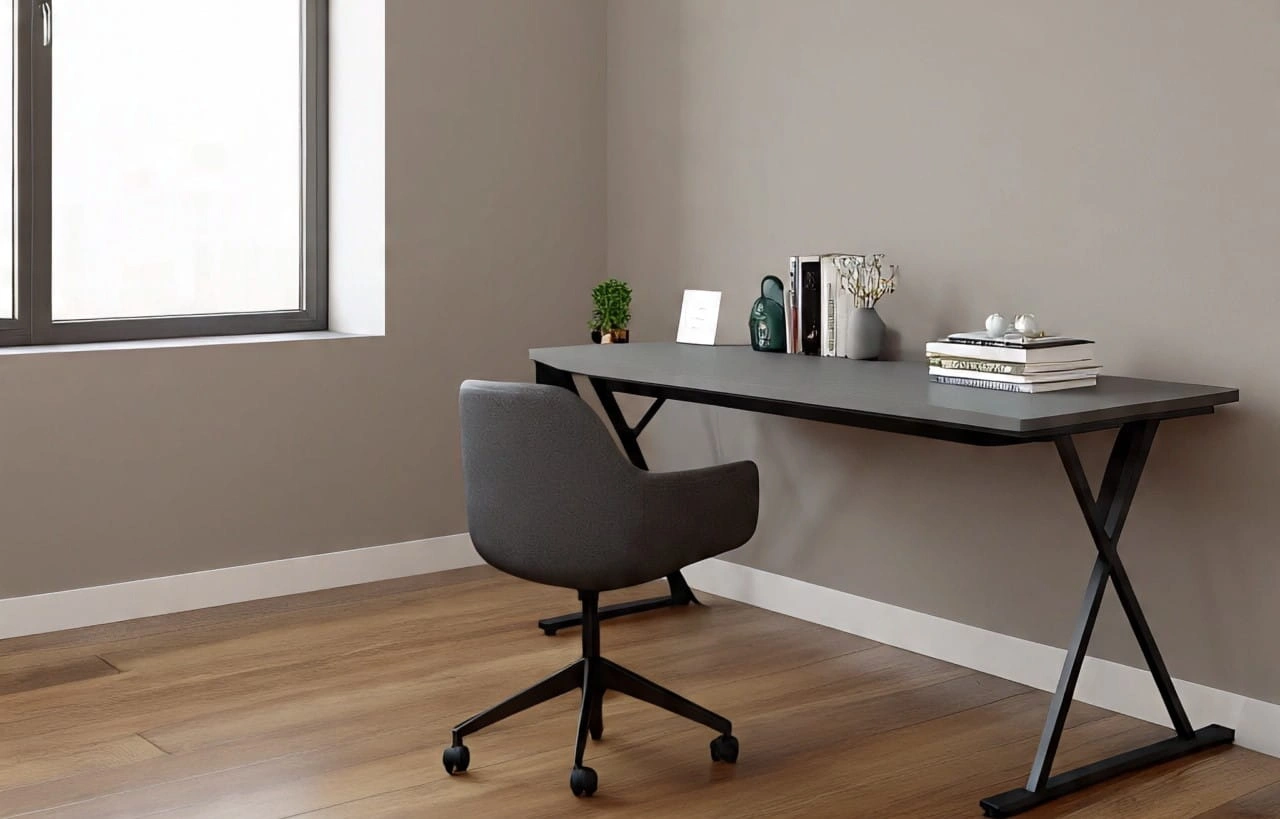
In a studio, defining distinct areas within a single space is essential. Zoning uses rugs, lighting, furniture placement, and subtle level or material changes to separate sleeping, living, and dining areas without building walls. This creates a sense of order and purpose while keeping the space open and airy.
Clever dividers can enhance zoning without closing the room in. Open shelving, slatted screens, or a strategically placed sofa define boundaries while allowing light to flow freely. The goal is a layout where each function has its own place, yet the studio still reads as one cohesive, comfortable home.
Multifunctional Furniture
Furniture that works hard is the backbone of studio living. Sofa beds, extendable dining tables, nesting tables, and ottomans with storage allow a single piece to serve multiple roles, adapting the space throughout the day. Choosing flexible, well-scaled pieces prevents the room from feeling overcrowded.
Built-in and bespoke solutions take this further. A custom unit might combine a wardrobe, desk, and storage in one streamlined element, while a fold-away bed frees up valuable floor space by day. These tailored pieces are what allow a compact studio to function like a much larger home.
Maximising Storage
Generous, well-hidden storage is the secret to a calm studio. Vertical solutions that draw the eye upward, full-height wardrobes, under-bed drawers, and integrated shelving make use of every available surface while keeping belongings neatly out of sight. A clutter-free studio instantly feels larger and more serene.
Bespoke joinery is particularly valuable in compact homes. Custom-built storage fits awkward corners and tailors capacity to the exact needs of the resident, far outperforming standard furniture. Concealed, seamless storage keeps the studio looking sleek while quietly handling the demands of daily life.
Light, Colour, and the Illusion of Space
Colour and light have a powerful effect on how large a studio feels. Soft, light palettes reflect daylight and create an open, airy atmosphere, while a consistent colour scheme across the whole space avoids visual breaks that can make a small room feel busy and segmented.
Mirrors are a studio’s best friend, bouncing light and visually doubling the sense of space. Maximising natural light with sheer window treatments, and layering in well-placed artificial lighting, keeps the studio bright and welcoming. These simple strategies make a compact home feel noticeably more spacious.
Defining the Sleeping Area
Creating a restful sleeping zone within an open studio requires careful thought. Positioning the bed away from the entrance, using a screen, curtain, or piece of furniture to suggest separation, and giving the area its own lighting all help define a calm, private retreat within the larger space.
Comfort and practicality go hand in hand here. A quality bed with built-in storage, soft textiles, and considered lighting turns the sleeping zone into a genuine sanctuary, while keeping it visually connected to the rest of the studio for a cohesive, harmonious feel.
A Functional Kitchen and Dining Zone
The kitchen in a studio must be efficient and seamlessly integrated. Compact, well-equipped units with smart storage and integrated appliances keep the cooking area practical without dominating the space. A streamlined finish helps the kitchen blend into the overall design rather than standing apart.
A flexible dining solution completes the zone. A breakfast bar, fold-down table, or compact dining set provides space for meals and work while adapting to the moment. Designing the kitchen and dining area as part of the wider scheme keeps the whole studio cohesive and uncluttered.
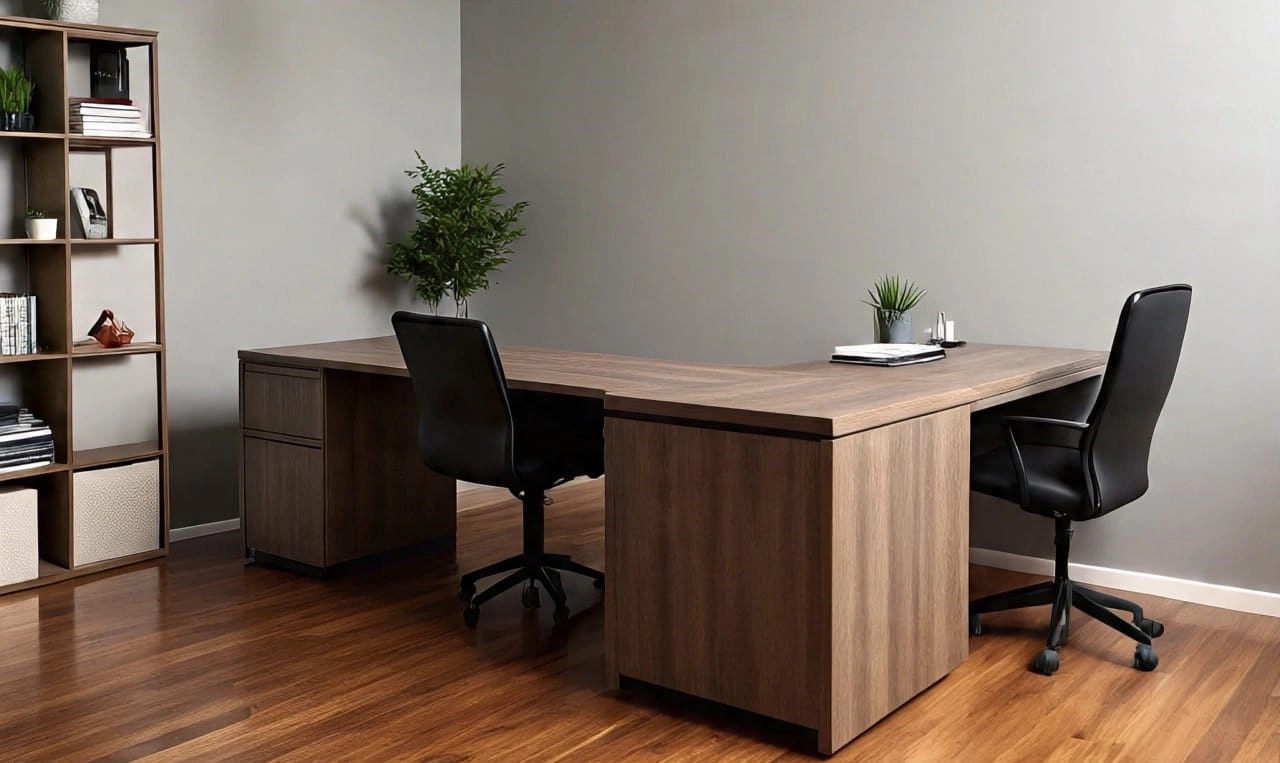
Creating a Work-From-Home Zone
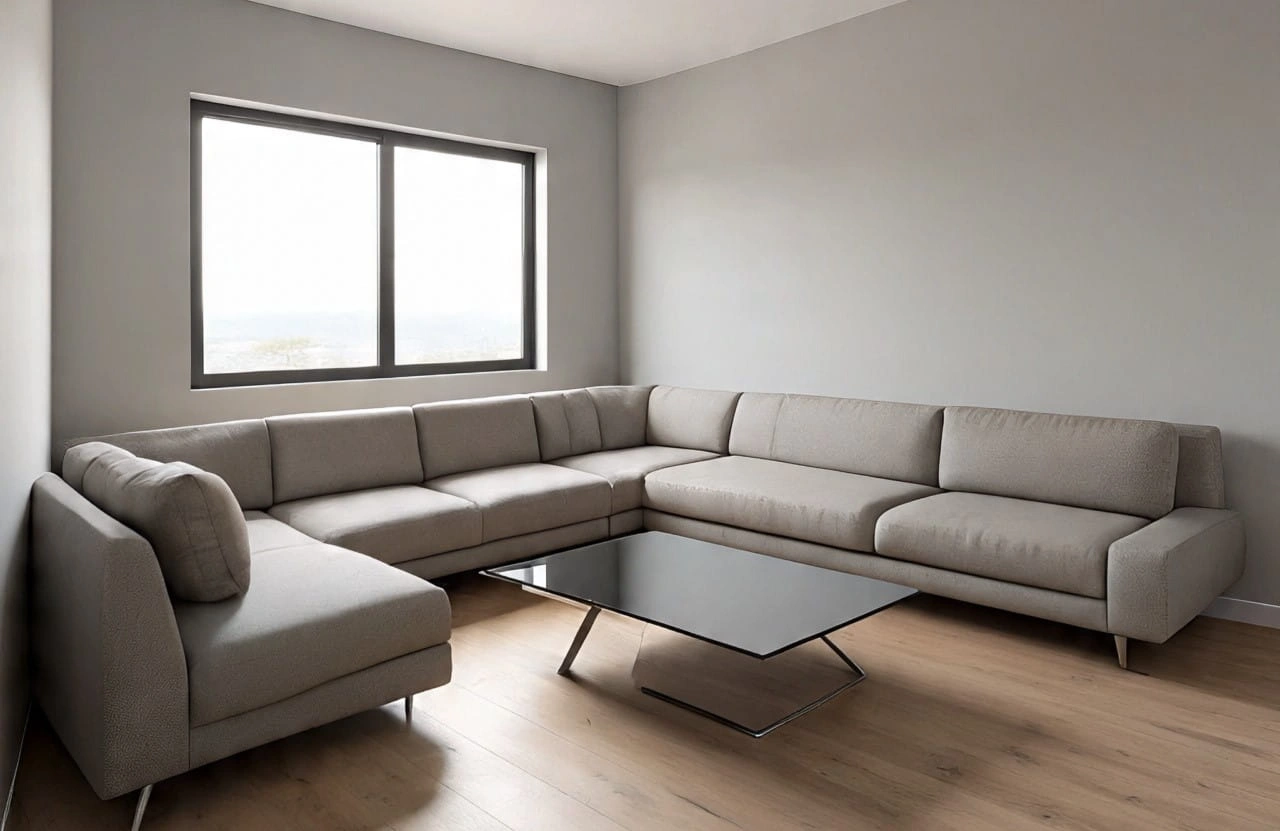
With remote and hybrid working now common, a functional workspace is essential even in a studio. A compact desk integrated into joinery, a fold-away work surface, or a well-defined corner with good task lighting creates a productive zone that does not overwhelm the home.
Separation matters for focus and wellbeing. Positioning the work area so it can be visually closed off or tucked away at the end of the day helps maintain a healthy boundary between work and rest, which is especially important when everything happens in one room.
Contemporary Studio Style
Studios suit a sleek, modern aesthetic beautifully. Clean lines, a cohesive palette, and uncluttered surfaces create a calm, sophisticated atmosphere that makes the most of a compact footprint. Quality materials and considered detailing give even a small home a refined, premium feel.
This approach draws naturally on city-style interiors, where smart space planning and contemporary materials respond directly to compact, fast-paced living. Translating that sensibility into a studio results in a home that feels current, confident, and effortlessly stylish.
Bringing Home Comforts to Compact Living
A studio should never feel like a compromise. With the right design, it can offer all the comfort, warmth, and personality of a larger home. Soft furnishings, layered textures, and considered styling create a welcoming atmosphere that makes the space feel genuinely homely.
The same principles that shape successful residential living spaces apply to a studio, simply at a more compact scale. Cohesive design, quality materials, and thoughtful planning ensure a studio delivers comfort and character in equal measure.
Smart Technology for Small Spaces
Technology can greatly enhance compact living. Smart lighting, climate control, and space-saving integrated appliances improve comfort and efficiency, while concealed charging and tidy cable management keep surfaces clear. In a studio, where every detail is visible, this discretion is invaluable.
Used thoughtfully, technology supports a streamlined lifestyle. Automated lighting scenes can transform the mood of the single space from day to night, helping the studio adapt to its many roles while keeping the design clean and uncluttered.
Designing for the Dubai Climate
Comfort in a studio depends on managing heat and light effectively. Quality window treatments control glare and temperature, while efficient air conditioning keeps the single space pleasant year-round. Light, heat-reflective finishes and good ventilation further enhance everyday comfort.
Durable, climate-appropriate materials ensure the studio stays looking its best despite constant use. Maximising natural light while managing the intensity of the sun creates a bright, comfortable home suited to the realities of living in the UAE.
Studios as Smart Investments
Studios are popular with tenants and investors thanks to their affordability and prime locations, making a well-designed studio a smart asset. A stylish, functional interior stands out in a competitive rental market and commands stronger interest from prospective occupants.
Quality design also protects long-term value. Durable finishes, clever storage, and a timeless aesthetic keep a studio appealing for years, maximising both rental yield and resale potential. Investing in good design is one of the most effective ways to enhance a compact property.
Common Studio Design Mistakes
The most common error in studio design is trying to fit too much in, which leaves the space cramped and chaotic. Oversized furniture, excessive decoration, and poor storage all undermine the sense of openness that makes a studio comfortable.
Neglecting zoning and lighting is equally damaging. Without defined areas and layered light, a studio can feel like a single undifferentiated room. Avoiding these pitfalls, ideally with professional guidance, ensures the space feels organised, spacious, and genuinely liveable.
Making the Most of Balconies
Where a studio includes a balcony, it becomes a valuable extension of the living space. Even a compact outdoor area, furnished with slimline seating and greenery, offers a welcome breath of fresh air and a spot to relax, effectively adding another usable zone to the home.
Designing the balcony to complement the interior creates a seamless flow that makes the whole studio feel larger. Durable, weather-resistant furnishings and soft outdoor lighting turn the space into an inviting retreat for Dubai’s pleasant evenings and cooler months.
Personalising Your Studio
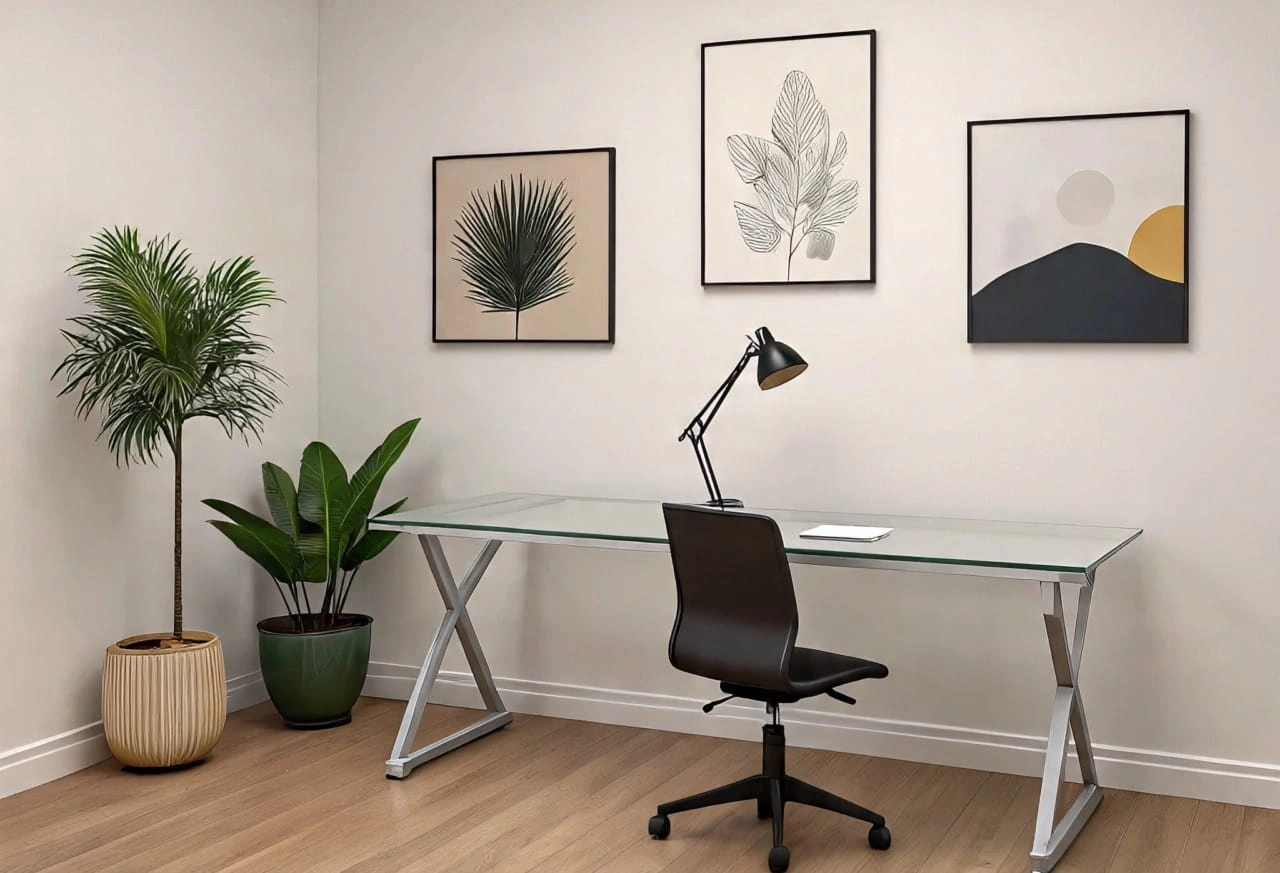
Personality is what turns a compact unit into a home. Carefully chosen artwork, a few meaningful objects, plants, and textiles inject character without creating clutter. In a studio, editing is key, so a few well-selected pieces make a stronger statement than many small ones.
Styling also lets a studio evolve over time. Cushions, throws, and accents can be refreshed easily to update the look without any structural change. This balance of clean, considered design and personal expression gives a studio warmth and individuality.
Acoustic Comfort in Open Living
In a single open space, managing sound improves comfort considerably. Soft furnishings such as rugs, curtains, and upholstered furniture absorb noise and reduce echo, making the studio feel calmer and more relaxing. This is especially valuable when the same space is used for work and rest.
Quality doors, seals, and considered material choices also help limit noise from outside and neighbouring units. A quieter studio is a more comfortable one, supporting both focus during the day and restful sleep at night.
Durable, Easy-Care Finishes
In a compact home where every surface is on show and in constant use, durability matters. Hard-wearing, easy-clean materials for floors, worktops, and joinery keep the studio looking fresh with minimal effort, which is ideal for busy urban lifestyles.
Choosing quality finishes from the outset also protects the long-term appeal of the space. Surfaces that resist wear and stay looking good for years reduce maintenance and keep the studio feeling premium, supporting both everyday enjoyment and property value.
Frequently Asked Questions
How do you make a studio feel bigger? Use light palettes, mirrors, multifunctional furniture, vertical storage, and consistent flooring, and maximise natural light to create an open, spacious feel.
How do you separate areas in a studio? Zoning with rugs, lighting, furniture placement, and open dividers defines distinct living, sleeping, and dining areas without closing the space in.
Is bespoke furniture worth it in a studio? Yes. Custom, multifunctional joinery fits the exact space and needs, maximising storage and function far more effectively than standard furniture.
Why Professional Design Matters
Designing a studio is a discipline of its own, requiring expert planning to make a single space serve many functions beautifully. Professional design optimises every centimetre, integrates clever storage and zoning, and ensures the result feels spacious, stylish, and easy to live in.
With extensive experience in Dubai’s compact homes, a skilled design team transforms a small footprint into a comfortable, refined living space tailored to how you live. The outcome is a studio that maximises every advantage of its size while delivering genuine comfort, style, and lasting value.