
Salon Interior Designing Ideas: Creating Luxurious, Functional, and Profitable Beauty Spaces
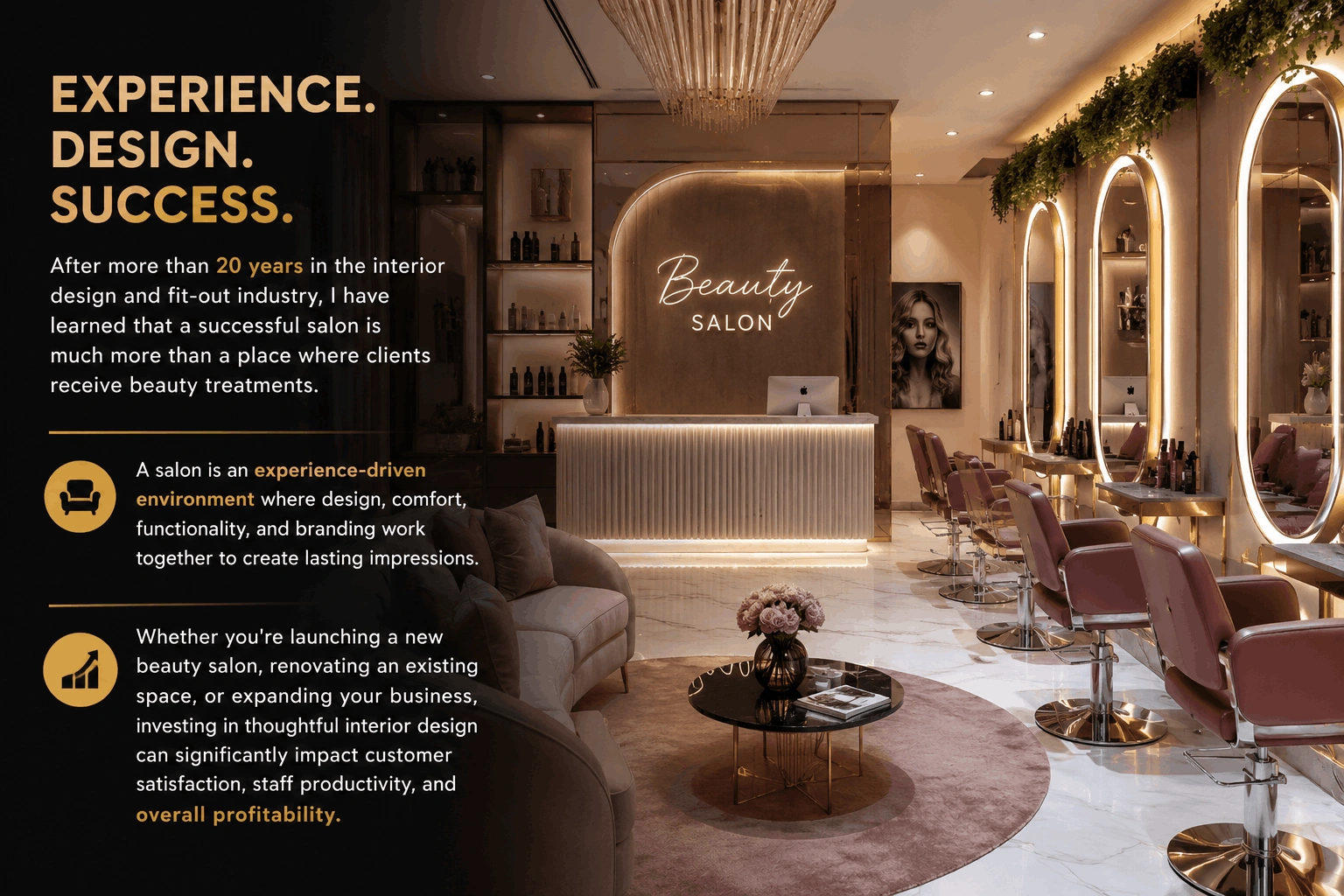
After more than 20 years in the interior design and fit-out industry, I have learned that a successful salon is much more than a place where clients receive beauty treatments. A salon is an experience-driven environment where design, comfort, functionality, and branding work together to create lasting impressions. Whether you’re launching a new beauty salon, renovating an existing space, or expanding your business, investing in thoughtful interior design can significantly impact customer satisfaction, staff productivity, and overall profitability.
Understanding the Modern Salon Environment
Today’s salon clients expect more than basic services. They look for a relaxing atmosphere, Instagram-worthy interiors, comfortable waiting areas, and a seamless customer journey. The interior design of a salon directly influences how clients perceive the quality of services offered. A professionally designed salon communicates trust, luxury, cleanliness, and attention to detail before any service begins.
The first step in designing a salon is understanding your target audience. A luxury salon targeting premium clients will require a completely different design approach than a budget-friendly neighborhood salon. Your interior should reflect your brand identity and attract the type of customers you want to serve.
Creating an Impressive Reception Area
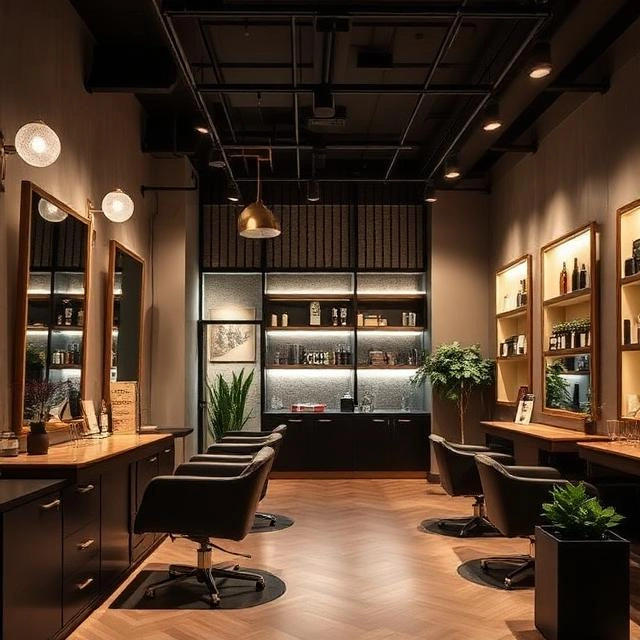
The reception area serves as the first point of contact between your business and your clients. A well-designed reception should feel welcoming, organized, and visually appealing. Consider using elegant reception desks, feature walls, branded signage, decorative lighting, and comfortable seating.
Natural materials such as wood, stone, marble, and textured finishes can instantly elevate the space. Incorporating your brand colors throughout the reception area helps create a cohesive visual identity while improving brand recognition.
Optimizing Space Planning
One of the biggest mistakes salon owners make is focusing only on aesthetics while neglecting functionality. Effective space planning ensures smooth operations and enhances customer comfort. Hair stations should provide sufficient room for stylists to work efficiently while maintaining privacy between clients.
Treatment rooms, manicure stations, shampoo areas, and waiting zones should be strategically positioned to reduce congestion and improve workflow. Proper circulation pathways help staff move freely while creating a more comfortable environment for guests.
The Importance of Lighting Design
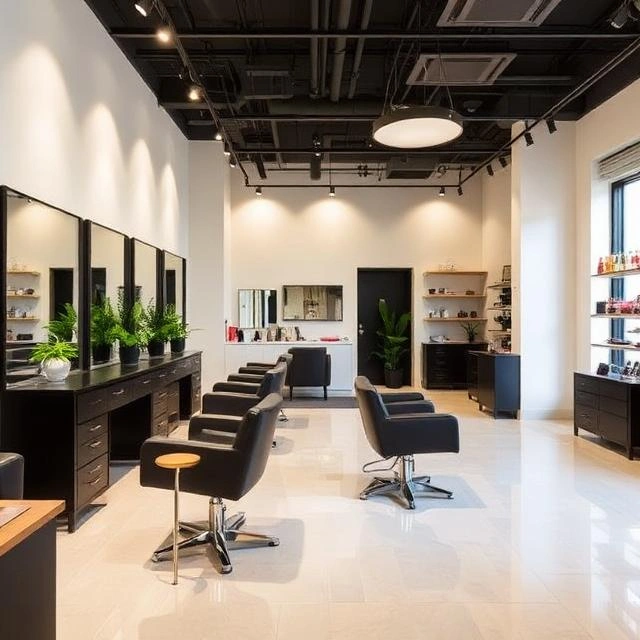
Lighting is one of the most critical elements in salon interior design. Poor lighting can negatively affect service quality, especially for hair coloring, makeup application, and beauty treatments.
A combination of ambient, task, and accent lighting creates the ideal salon environment. LED mirrors, pendant lights, decorative chandeliers, and concealed lighting can add sophistication while ensuring practical functionality. Natural daylight should also be maximized wherever possible to create a brighter and more inviting atmosphere.
Selecting the Right Color Palette
Color psychology plays a significant role in customer perception. Neutral tones such as beige, ivory, warm gray, and soft earth colors create a calming and luxurious atmosphere. For modern salons, monochromatic schemes paired with metallic accents can create a premium appearance.
Accent colors can be introduced through furniture, wall treatments, artwork, and decorative accessories. Consistency throughout the salon strengthens brand identity and creates a cohesive customer experience.
Luxury Materials and Finishes
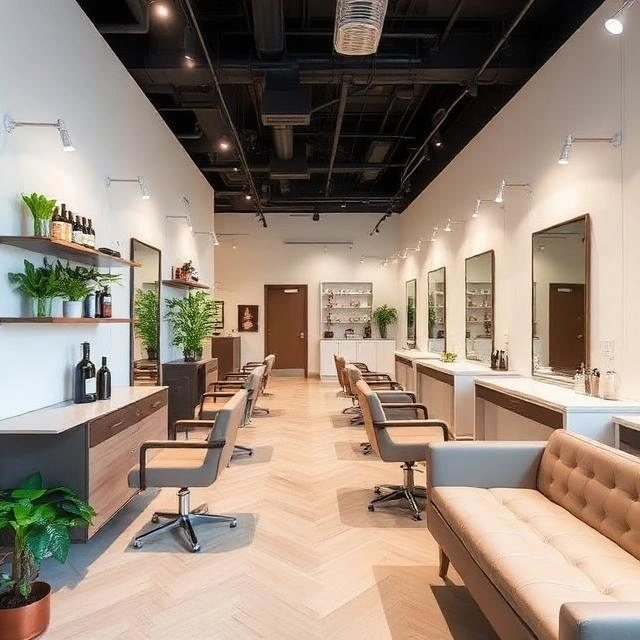
Premium materials instantly enhance the perceived value of a salon. Popular choices include marble countertops, wood veneers, textured wall panels, glass partitions, brass details, and custom furniture. High-quality materials not only improve aesthetics but also offer durability and easier maintenance.
Clients often associate luxury finishes with premium services, making material selection an important investment rather than an expense.
Creating Instagram-Worthy Features
Social media has become one of the most powerful marketing tools for beauty businesses. Designing photo-friendly areas encourages customers to take pictures and share their experiences online. Feature walls, neon signage, floral installations, statement mirrors, and unique lighting elements can become powerful marketing assets.
These visual focal points help increase organic exposure while enhancing the overall customer experience.
Comfort and Customer Experience
Successful salons prioritize comfort at every stage of the customer journey. Comfortable seating, proper climate control, quality flooring, soothing music, pleasant scents, and well-designed waiting areas contribute to a positive experience.
Every design decision should consider how clients feel while spending time in the salon. A comfortable environment encourages longer visits, repeat bookings, and positive reviews.
Investing in Professional Expertise
While design inspiration can be found everywhere, professional planning ensures the salon operates efficiently while meeting local regulations and safety requirements. Working with experienced designers and fit-out specialists helps avoid costly mistakes and ensures every element contributes to the business’s long-term success.
Businesses seeking comprehensive salon fit out interior design solutions should focus on balancing aesthetics, functionality, brand identity, and customer experience to create a space that stands out in a competitive market.
Conclusion
A well-designed salon is a powerful business asset. It influences customer perceptions, strengthens brand identity, improves operational efficiency, and ultimately contributes to higher revenue. By combining thoughtful space planning, quality materials, strategic lighting, and exceptional customer-focused design, salon owners can create memorable experiences that attract clients and encourage long-term loyalty. In today’s competitive beauty industry, outstanding interior design is no longer optional—it is essential for sustainable growth and business success.
0 comments