
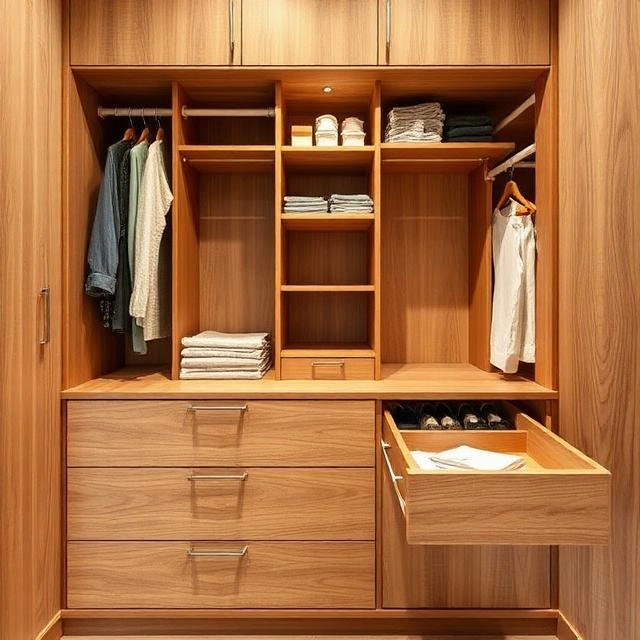
From Design to Installation: How Joinery Projects Work
Every Successful Joinery Project Begins with Careful Planning
Custom joinery is far more than cutting wood and assembling cabinets. Every successful joinery project follows a structured process that transforms an idea into functional, long-lasting interior features. Whether designing luxury wardrobes, bespoke kitchens, wall cladding, reception counters, TV units, office workstations, or custom storage solutions, every stage requires technical expertise, precision engineering, and quality craftsmanship. Across Dubai, premium communities such as Dubai Hills Estate, Palm Jumeirah, Emirates Hills, Business Bay, Downtown Dubai, Dubai Marina, Jumeirah, and Dubai Design District (d3) continue to demand bespoke joinery solutions that combine aesthetics with durability. Understanding how professional joinery projects progress from concept to installation helps property owners appreciate the value of skilled planning and execution.
Understanding the Client’s Vision Is the First Step
Every joinery project begins with understanding how the space will be used. Professional designers spend time discussing lifestyle requirements, storage needs, architectural style, material preferences, colour palettes, and long-term functionality before any drawings are prepared. A luxury villa requires different joinery solutions than a commercial office, retail showroom, hospitality venue, or apartment. Early consultation ensures that every custom cabinet, wardrobe, shelving system, feature wall, kitchen unit, and built-in furniture piece complements both the architecture and the client’s expectations while avoiding costly design changes later in the project.
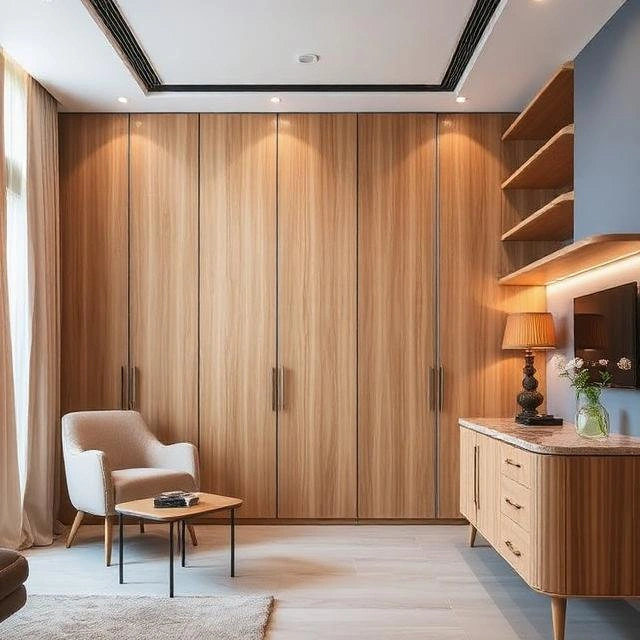
Site Surveys Create the Foundation for Accurate Manufacturing
Accurate site measurements are one of the most critical stages in bespoke joinery manufacturing. Professional survey teams measure ceiling heights, wall alignments, floor levels, structural columns, service locations, electrical outlets, plumbing connections, air-conditioning ducts, and lighting positions before production begins. Even small measurement errors can affect cabinet alignment, door operation, or countertop installation. Using laser measuring equipment and detailed site inspections ensures every component fits precisely once delivered to the property, reducing delays during installation and improving overall project quality.
Interior Design and Joinery Must Work Together
Successful joinery cannot be separated from interior design. Every wardrobe, kitchen cabinet, display shelf, media wall, vanity unit, and storage system should enhance the overall interior concept rather than simply filling empty space. Designers carefully coordinate finishes, textures, proportions, lighting, flooring, ceiling details, and furniture layouts to create visual harmony throughout the property. Modern villas in Dubai often combine minimalist architecture with warm wood finishes, concealed storage, integrated lighting, and premium materials that create elegant, functional living spaces while maintaining consistency throughout every room.
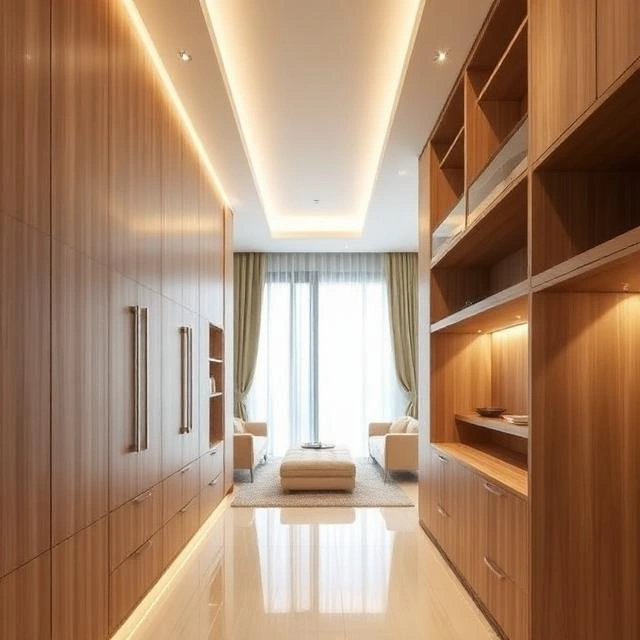
Shop Drawings Transform Ideas into Technical Solutions
Once the design concept has been approved, detailed shop drawings become the roadmap for production. These technical drawings specify dimensions, construction methods, hardware placement, material thickness, edge treatments, joinery details, fixing methods, and installation requirements. Unlike presentation drawings, shop drawings provide manufacturing instructions that guide CNC machining, cutting, drilling, assembly, and finishing. Professional joinery companies invest significant time reviewing these drawings because precision at this stage reduces fabrication errors, improves installation efficiency, and ensures the finished product matches the approved design.
Selecting the Right Materials Determines Long-Term Performance
Material selection directly influences the appearance, durability, and maintenance requirements of every joinery project. Depending on the application, manufacturers may use moisture-resistant MDF, marine plywood, birch plywood, engineered wood, natural veneer, solid oak, walnut, ash, maple, melamine-faced boards, high-pressure laminate (HPL), acrylic panels, quartz surfaces, or natural stone countertops. Choosing materials based on environmental conditions, humidity levels, expected usage, and design objectives ensures that custom joinery continues performing reliably for many years while maintaining its original appearance.
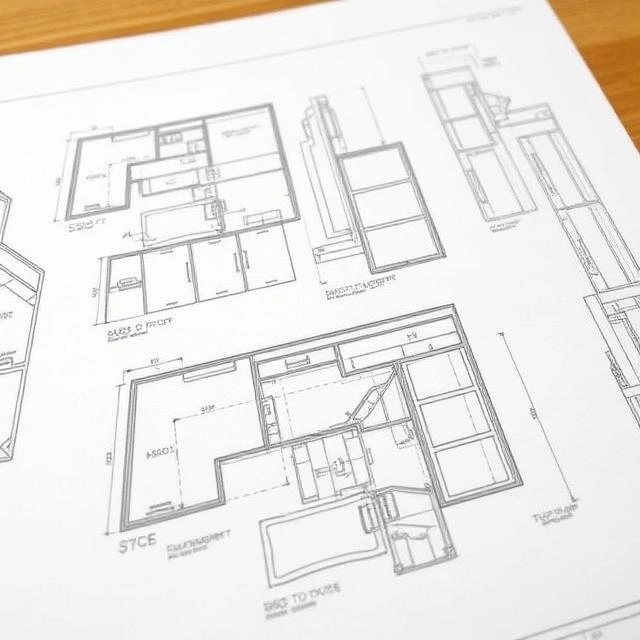
Hardware Selection Is Just as Important as Wood Selection
The visible woodwork often receives the most attention, but premium hardware determines how comfortably joinery functions every day. High-quality soft-close hinges, concealed drawer runners, lift-up mechanisms, telescopic slides, pull-out storage systems, integrated handles, drawer organisers, wardrobe accessories, and concealed fixing systems significantly improve usability. Leading hardware manufacturers develop products designed for thousands of opening and closing cycles, helping wardrobes, kitchens, and cabinetry maintain smooth operation throughout their lifespan. Professional joinery specialists carefully match hardware specifications to the expected daily use of each installation.
CNC Technology Improves Manufacturing Accuracy
Modern joinery manufacturing combines traditional craftsmanship with advanced CNC machining technology. Computer-controlled cutting machines produce highly accurate panels, grooves, drilling patterns, edge profiles, and decorative elements according to approved shop drawings. CNC production reduces material waste while improving consistency across every cabinet, shelf, wardrobe, and furniture component. Although technology enhances efficiency, experienced craftsmen remain essential for assembly, detailing, quality inspection, finishing, and final adjustments that cannot be fully automated.
Quality Control Begins Inside the Factory
Professional joinery workshops conduct multiple quality inspections before products leave the factory. Every panel is checked for dimensional accuracy, surface finish, edge quality, hardware installation, colour consistency, structural stability, and manufacturing defects. Dry assembly is often performed before delivery to confirm that individual components align correctly. Detecting and correcting issues during factory production prevents costly modifications on site while ensuring a smoother installation process and higher customer satisfaction.
Surface Finishes Define the Final Appearance of Joinery
Once fabrication is complete, the finishing stage determines both the visual quality and durability of the joinery. Depending on the design concept, surfaces may receive natural wood veneer, PU paint, melamine, high-pressure laminate (HPL), acrylic finishes, textured laminates, or engineered wood coatings. Each finish offers different characteristics in terms of appearance, scratch resistance, moisture protection, and maintenance. Professional finishing techniques ensure consistent colour, smooth edges, and long-lasting performance that complements the overall interior design of villas, apartments, offices, and commercial spaces across Dubai.
Veneers and Natural Wood Bring Warmth to Interior Spaces
Natural wood remains one of the most desirable materials in luxury joinery because of its unique grain patterns and timeless appearance. Veneers made from walnut, oak, ash, teak, or maple allow designers to achieve the beauty of solid timber while maintaining greater dimensional stability. Carefully matched veneer grains create a seamless appearance across wardrobes, feature walls, shelving units, executive desks, and kitchen cabinetry. Proper polishing and protective coatings preserve the natural texture while protecting the wood from everyday wear and environmental changes.
Factory Fabrication Ensures Consistent Quality
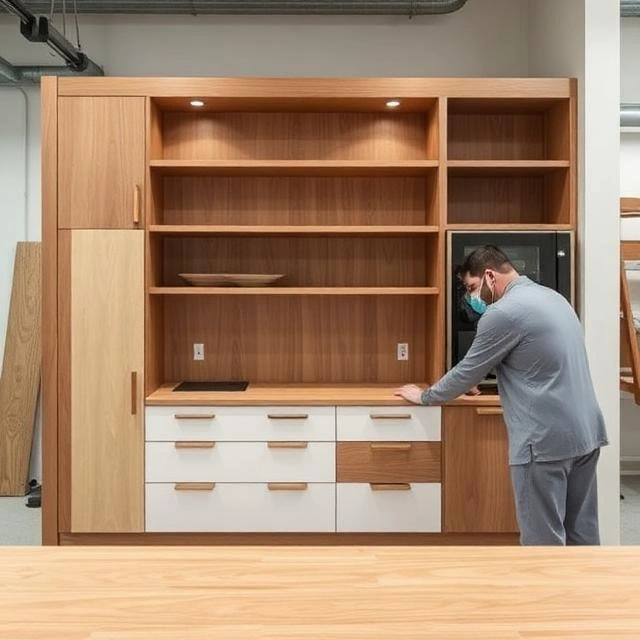
Manufacturing joinery within a controlled factory environment allows every component to be produced under strict quality standards. Advanced machinery, climate-controlled workshops, and experienced craftsmen work together to achieve consistent precision throughout the production process. Cabinet panels, drawer systems, wardrobe carcasses, shelving, decorative mouldings, and custom furniture are assembled before transportation to minimise on-site adjustments. Factory fabrication also allows quality inspections at every production stage, ensuring that completed products meet both technical specifications and design expectations before delivery.
Coordination Between Different Trades Prevents Installation Delays
Successful joinery projects require close coordination between interior designers, architects, civil contractors, MEP engineers, flooring specialists, ceiling installers, lighting contractors, and painters. Joinery installation depends on completed wall finishes, accurate floor levels, electrical points, plumbing outlets, HVAC ducting, and ceiling layouts. Regular project coordination meetings help identify potential conflicts before installation begins, reducing delays and ensuring every custom-built component integrates perfectly with surrounding construction work.
Joinery Installation Requires Precision on Site
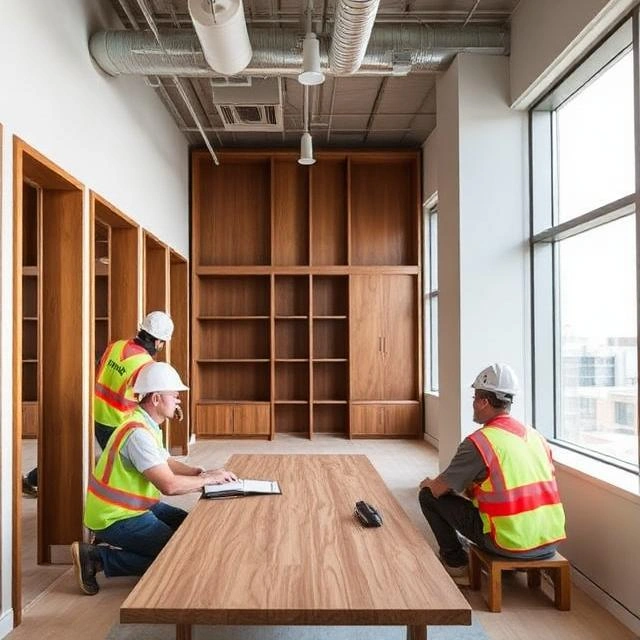
Installation is one of the most technically demanding stages of any bespoke joinery project. Professional installers carefully position cabinets, wardrobes, kitchen units, feature walls, display shelves, reception counters, and custom furniture using laser levels and precision measuring tools. Minor site variations are adjusted during installation to achieve perfect alignment, consistent gaps, and smooth door operation. Every panel, hinge, drawer, and decorative element is securely fixed while maintaining the design intent established during the planning stage.
Built-In Storage Maximises Functional Living Space
Modern homeowners increasingly prioritise efficient storage without compromising aesthetics. Bespoke joinery allows every available space to be utilised through custom wardrobes, walk-in closets, under-stair storage, entertainment units, utility cabinets, study areas, dressing rooms, pantry systems, and concealed shelving. Unlike standard furniture, custom-built joinery follows the exact dimensions of each room, creating a cleaner appearance while significantly improving day-to-day functionality throughout the property.
Lighting Integration Enhances Bespoke Joinery
Lighting has become an essential feature of contemporary joinery design. Integrated LED strip lighting, under-cabinet illumination, wardrobe sensor lights, floating shelf lighting, display cabinet illumination, and feature wall lighting improve both functionality and visual appeal. Designers coordinate lighting positions during the planning phase to conceal wiring within cabinetry while creating soft ambient illumination that highlights architectural details and premium finishes throughout luxury interiors.
Sustainability Influences Modern Joinery Design
Environmental responsibility has become an important consideration in Dubai’s construction and interior fit-out industry. Many joinery manufacturers now use FSC-certified timber, low-VOC finishes, recyclable materials, water-based coatings, and responsibly sourced wood products. Efficient CNC cutting also reduces material waste during production. Sustainable joinery solutions not only support environmentally responsible construction but also contribute to healthier indoor environments with improved air quality for homeowners and occupants.
Custom Joinery Adds Long-Term Property Value
Professionally designed joinery represents a long-term investment rather than a short-term decorative upgrade. Built-in wardrobes, luxury kitchens, custom libraries, media walls, office workstations, and bespoke storage solutions improve both daily living and property marketability. Buyers often perceive high-quality custom joinery as a premium feature because it demonstrates thoughtful planning, superior craftsmanship, and efficient space utilisation. Well-executed joinery therefore contributes directly to the overall value and desirability of residential and commercial properties throughout Dubai.
Choosing Experienced Joinery Specialists Makes a Significant Difference
The success of a joinery project depends on experience, technical knowledge, manufacturing capability, and installation expertise. Skilled professionals understand material behaviour, structural requirements, hardware compatibility, factory production processes, and interior coordination, enabling them to deliver consistent results from concept through completion. Property owners seeking premium craftsmanship often benefit from working with companies that offer Professional Joinary fit out Services, combining bespoke design, precision manufacturing, quality control, and expert installation to create interiors that remain functional, elegant, and durable for many years.
Final Quality Inspection Ensures Every Detail Meets Expectations
Before any bespoke joinery project is handed over, a comprehensive quality inspection is carried out to verify that every component has been manufactured and installed according to the approved drawings and specifications. Professional teams inspect cabinet alignment, door clearances, drawer operation, edge finishing, hardware performance, surface quality, and colour consistency throughout the project. Every wardrobe, kitchen cabinet, shelving unit, vanity, wall panel, and custom furniture piece is tested to ensure it functions smoothly while maintaining the premium appearance expected in luxury residential and commercial interiors across Dubai. This final inspection allows any minor adjustments to be completed before client handover, ensuring the finished project reflects the highest standards of craftsmanship.
Snagging and Final Adjustments Complete the Installation Process
Even with advanced manufacturing technology and experienced installation teams, professional joinery projects include a snagging stage to fine-tune every installation. During this process, installers adjust cabinet doors, align drawer fronts, calibrate soft-close mechanisms, seal joints, touch up finishes, and verify that integrated lighting and hardware operate correctly. Small refinements such as correcting panel alignment or adjusting hinge tension significantly improve the overall finish. Professional snagging demonstrates attention to detail and ensures every joinery element performs exactly as intended before the project is officially completed.
Proper Maintenance Preserves Joinery for Years
High-quality joinery is designed to deliver long-term performance, but regular maintenance plays an important role in preserving its appearance and functionality. Cleaning surfaces with non-abrasive products, avoiding excessive moisture exposure, inspecting hinges periodically, lubricating moving hardware when required, and protecting natural wood finishes from direct sunlight all contribute to extending the lifespan of custom-built furniture. Premium materials such as veneer, HPL laminate, acrylic, and PU-painted surfaces maintain their original appearance for many years when cared for properly, reducing future repair costs while protecting the homeowner’s investment.
Common Mistakes Can Reduce Joinery Performance
Many joinery issues originate during the planning stage rather than the installation phase. Inaccurate site measurements, poor material selection, insufficient storage planning, low-quality hardware, inadequate ventilation around cabinetry, and lack of coordination between construction trades can all affect the finished result. Selecting finishes unsuitable for kitchens or bathrooms may also lead to premature wear in high-humidity environments. Experienced joinery professionals identify these risks early and develop practical solutions that improve durability, usability, and long-term performance while avoiding unnecessary project delays.
Professional Project Management Delivers Better Results
Large joinery projects involve multiple specialists working together throughout the construction process. Interior designers, architects, quantity surveyors, production managers, factory supervisors, MEP engineers, logistics teams, and installation specialists all contribute to delivering a successful outcome. Effective project management ensures manufacturing schedules, material procurement, factory production, transportation, and on-site installation remain coordinated from beginning to end. Clear communication between every stakeholder helps maintain quality standards, control project timelines, minimise disruptions, and ensure every stage progresses according to the approved programme.
Modern Joinery Continues to Evolve with Design Innovation
The joinery industry continues to embrace new materials, manufacturing technologies, and design trends that improve both functionality and aesthetics. Homeowners increasingly request concealed storage, handleless cabinetry, integrated LED lighting, acoustic wall panels, fluted timber finishes, sustainable wood products, smart storage accessories, and minimalist detailing. CNC machining, digital modelling, and precision manufacturing allow designers to create highly customised solutions while maintaining exceptional accuracy. These innovations enable modern joinery to meet the changing expectations of luxury homeowners, commercial developers, hospitality operators, and corporate clients throughout Dubai.
Conclusion
From the first client consultation and site survey to shop drawings, material selection, factory fabrication, installation, snagging, and final handover, every stage of a joinery project contributes to the quality of the finished interior. Successful bespoke joinery combines thoughtful design, precision engineering, premium materials, advanced manufacturing, and skilled craftsmanship to create spaces that are both visually impressive and highly functional. Whether for luxury villas in Dubai Hills Estate, apartments in Downtown Dubai, offices in Business Bay, or retail spaces in Dubai Design District, professionally executed joinery enhances everyday living while increasing long-term property value. By following a structured process and maintaining strict quality standards throughout every phase, professional joinery specialists deliver customised interiors that continue to perform beautifully for many years, providing lasting value for homeowners, businesses, and property investors alike.
0 comments