
How Life Cycle Assessment (LCA) Improves Sustainable Interior Design Projects
Sustainable Interior Design Requires Decisions Beyond Visual Appeal
Modern interior design is no longer measured only by aesthetics, functionality, or luxury. Clients, developers, architects, and property investors increasingly evaluate how design decisions affect environmental performance throughout the entire life of a building. This shift has made Life Cycle Assessment (LCA) one of the most valuable tools in sustainable interior design. Rather than focusing only on the initial construction cost, LCA measures the environmental impact of materials, manufacturing, transportation, installation, maintenance, replacement, and end-of-life disposal. Across Dubai, Abu Dhabi, Sharjah, and other Emirates, Life Cycle Assessment helps interior designers create healthier, more resource-efficient spaces while supporting the UAE’s long-term sustainability goals and green building initiatives.
Understanding Life Cycle Assessment in Interior Design
Life Cycle Assessment is a scientific methodology used to evaluate the environmental footprint of products and building components from raw material extraction to final disposal or recycling. In sustainable interior projects, LCA examines every stage of a material’s journey, including resource extraction, manufacturing processes, transportation logistics, installation methods, operational performance, maintenance requirements, refurbishment potential, and waste management. Instead of selecting materials based only on appearance or price, designers analyse measurable environmental data to determine which products deliver the best long-term performance while reducing carbon emissions, conserving natural resources, and minimising waste generation throughout the building lifecycle.
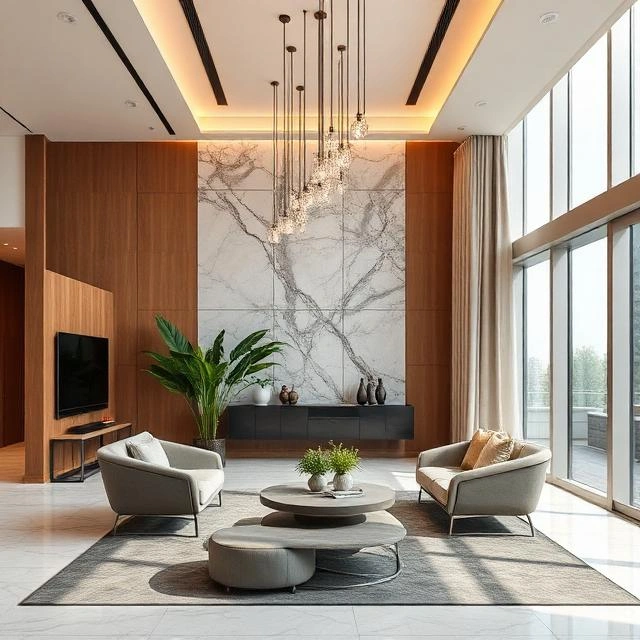
Sustainable Interior Projects Begin with Smarter Material Selection
Material selection has one of the greatest influences on the environmental performance of any interior fit-out project. Through Life Cycle Assessment, designers compare different materials based on embodied carbon, energy consumption, durability, recyclability, maintenance frequency, and overall environmental impact. Natural timber from responsibly managed forests, FSC-certified wood, engineered timber, recycled aluminium, recycled steel, terrazzo, recycled glass, cork, bamboo, low-VOC finishes, natural stone, and environmentally certified flooring often demonstrate stronger lifecycle performance than materials requiring intensive manufacturing or frequent replacement. Selecting durable materials also reduces renovation cycles, lowering both environmental impact and long-term operational costs.
Embodied Carbon Is Becoming a Key Design Consideration
One of the most important concepts evaluated through Life Cycle Assessment is embodied carbon. Unlike operational carbon, which relates to energy consumed during building use, embodied carbon represents greenhouse gas emissions produced during raw material extraction, manufacturing, transportation, construction, maintenance, and eventual disposal. Interior designers increasingly assess embodied carbon when selecting flooring, ceilings, partitions, cabinetry, wall finishes, furniture, lighting systems, and decorative elements. Reducing embodied carbon allows projects to lower their environmental footprint before occupants even begin using the building, making early design decisions especially important for sustainable developments.
Life Cycle Thinking Supports Better Design Decisions
Traditional design methods often prioritise immediate project budgets without considering future maintenance, replacement, or operating expenses. Life Cycle Assessment introduces long-term thinking by evaluating how materials perform over decades rather than during installation alone. A flooring material with a higher initial investment may ultimately become more sustainable if it lasts significantly longer, requires fewer repairs, consumes fewer resources during maintenance, and can be recycled at the end of its service life. This broader perspective enables designers to recommend solutions that deliver better value while supporting environmental responsibility.
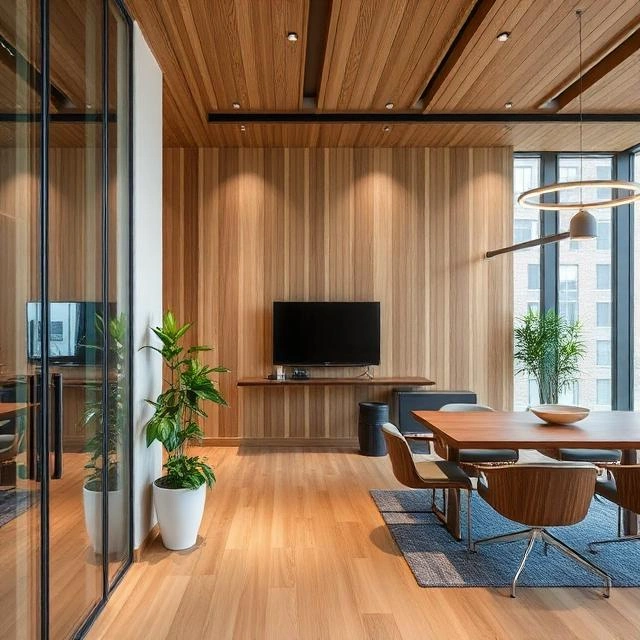
Interior Designers Use LCA to Balance Sustainability and Performance
Successful sustainable interior design requires balancing environmental responsibility with aesthetics, durability, occupant comfort, and commercial practicality. Life Cycle Assessment allows designers to compare products objectively using measurable environmental data rather than relying solely on marketing claims. Materials may appear environmentally friendly but perform poorly when transportation distance, manufacturing energy, replacement frequency, or disposal methods are considered. LCA helps designers select finishes, furniture, cabinetry, lighting, acoustic solutions, and construction materials that satisfy both functional requirements and sustainability objectives without compromising design quality.
Reducing Construction Waste Starts During the Design Stage
Construction waste remains one of the largest environmental challenges facing the global building industry. Sustainable interior designers use Life Cycle Assessment to minimise waste before construction even begins. Careful planning, modular design, accurate quantity estimation, prefabricated joinery, reusable materials, and efficient manufacturing processes reduce unnecessary material consumption while improving installation efficiency. Digital modelling, Building Information Modelling (BIM), and precise shop drawings further reduce waste by allowing designers and contractors to identify potential conflicts before production starts. This proactive approach supports cleaner construction sites and more responsible resource management throughout the project.
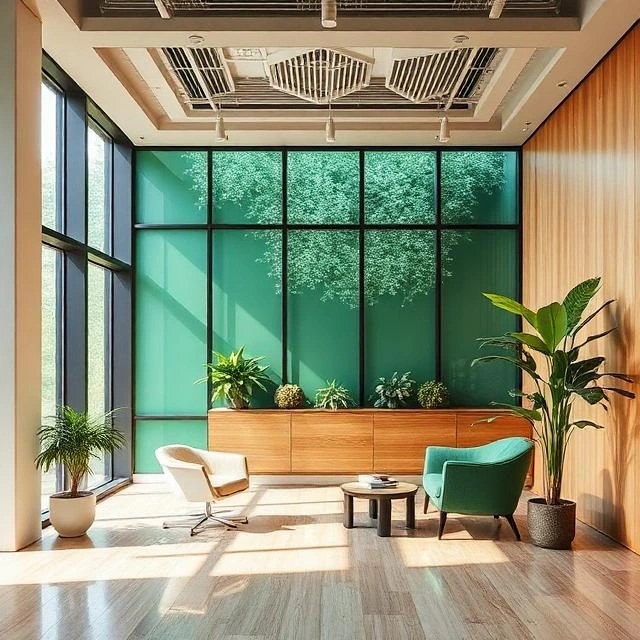
Circular Economy Principles Strengthen Sustainable Interior Projects
Life Cycle Assessment closely supports the principles of the circular economy, where materials remain in productive use for as long as possible instead of becoming landfill waste. Sustainable interior designers increasingly specify products that can be repaired, refurbished, reused, disassembled, or recycled after their initial application. Modular office furniture, demountable partitions, recyclable ceiling systems, reusable carpet tiles, adaptable storage solutions, and recyclable aluminium framing all contribute to extending product lifecycles. By designing interiors that remain flexible and adaptable, projects reduce future demolition waste while preserving valuable building materials for continued use.
Indoor Environmental Quality Is Part of Long-Term Sustainability
Sustainability extends beyond environmental protection to include occupant health and wellbeing. Life Cycle Assessment encourages the selection of materials that improve indoor environmental quality by reducing harmful emissions throughout their lifespan. Low-VOC paints, formaldehyde-free engineered wood, environmentally certified adhesives, sustainable flooring systems, natural fabrics, and high-performance ventilation strategies contribute to healthier indoor spaces. Improved indoor air quality supports occupant comfort, productivity, and long-term wellbeing while helping projects align with recognised sustainability frameworks such as LEED and WELL Building Standard.
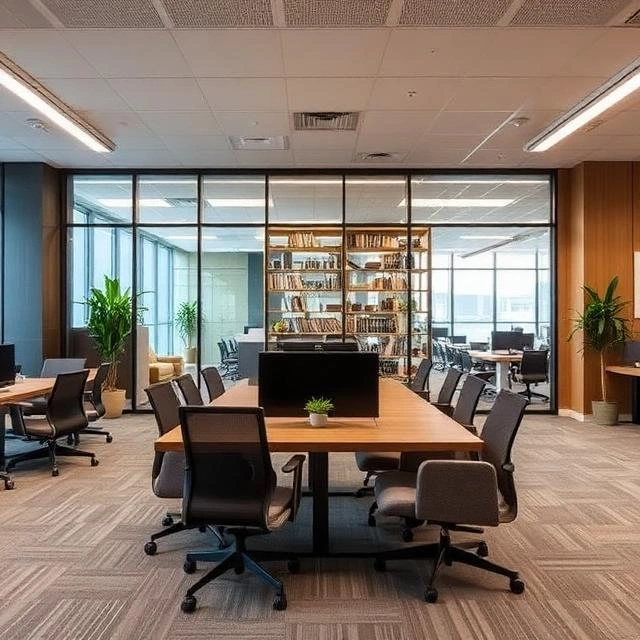
LCA Supports Green Building Standards Across the UAE
The UAE construction sector continues to adopt internationally recognised sustainability frameworks that encourage responsible material selection and environmental performance. Life Cycle Assessment supports compliance with LEED certification, WELL Building Standard, Estidama Pearl Rating System, Dubai Green Building Regulations, and broader sustainability initiatives promoted by Dubai Municipality and the Emirates Green Building Council. Developers delivering projects in Dubai Hills Estate, Business Bay, Downtown Dubai, Palm Jumeirah, Dubai Design District (d3), Expo City Dubai, and Masdar City increasingly integrate lifecycle thinking into interior fit-out strategies to meet evolving environmental expectations while enhancing long-term asset value.
Life Cycle Assessment Helps Reduce Long-Term Operating Costs
One of the greatest advantages of applying Life Cycle Assessment in sustainable interior design is its ability to reduce the total cost of building ownership. While some environmentally responsible materials may have a higher initial purchase price, they often require less maintenance, fewer replacements, lower energy consumption, and longer service lives. This approach shifts decision-making from short-term budgeting to lifecycle value. Property developers, hotel operators, corporate offices, educational institutions, and healthcare facilities across Dubai and Abu Dhabi increasingly evaluate lifecycle costing because operational efficiency directly affects profitability throughout the building’s lifespan. Sustainable investment today often results in substantial financial savings over the coming decades.
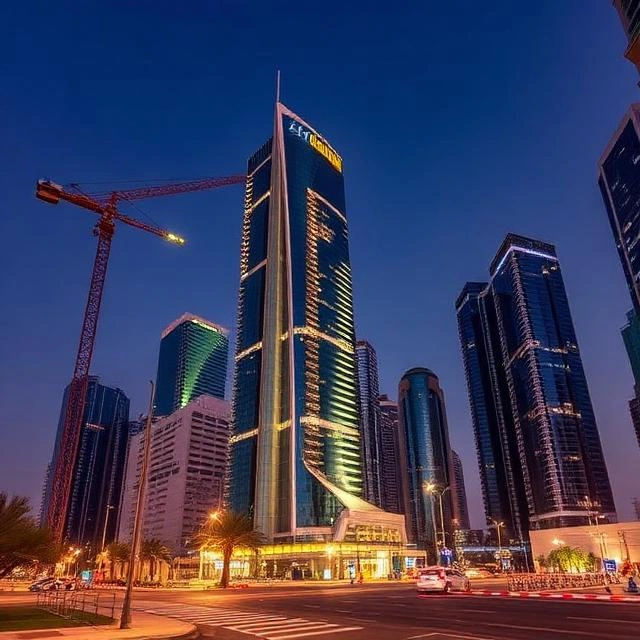
Energy-Efficient Lighting Plays an Important Role in Life Cycle Performance
Lighting systems contribute significantly to the environmental performance of commercial interiors. Life Cycle Assessment evaluates not only the manufacturing impact of luminaires but also their operational energy consumption, maintenance frequency, and replacement cycles. Modern LED lighting systems consume considerably less electricity than conventional technologies while offering longer operational life and reduced maintenance requirements. When integrated with daylight harvesting, occupancy sensors, smart lighting controls, and DALI systems, energy efficiency improves further. These strategies help commercial buildings lower electricity demand while supporting sustainability objectives established by DEWA and other regulatory authorities throughout the UAE.
HVAC Efficiency Complements Sustainable Interior Design
Interior design decisions influence heating, ventilation, and air conditioning performance more than many building owners realise. Material selection, space planning, thermal insulation, ceiling design, window treatments, and natural ventilation strategies all affect indoor temperature regulation and energy consumption. Life Cycle Assessment encourages designers to specify materials that improve thermal comfort while reducing cooling loads, particularly in the UAE’s hot climate. Efficient coordination between interior designers and MEP engineers ensures that HVAC systems operate more effectively, reducing operational carbon emissions while improving occupant comfort in offices, hotels, residential developments, and mixed-use buildings.
Water Conservation Supports Comprehensive Sustainability Goals
Although Life Cycle Assessment often focuses on materials, sustainable interior projects also consider water efficiency throughout the building lifecycle. Interior designers collaborate with plumbing engineers to specify water-saving fixtures, sensor-operated taps, dual-flush systems, efficient irrigation controls for interior landscaping, and low-flow sanitary fittings. Reducing water consumption lowers operational costs while supporting national sustainability initiatives aimed at responsible resource management. In regions where water production requires significant energy, efficient water use also contributes indirectly to reducing the overall environmental footprint of interior developments.
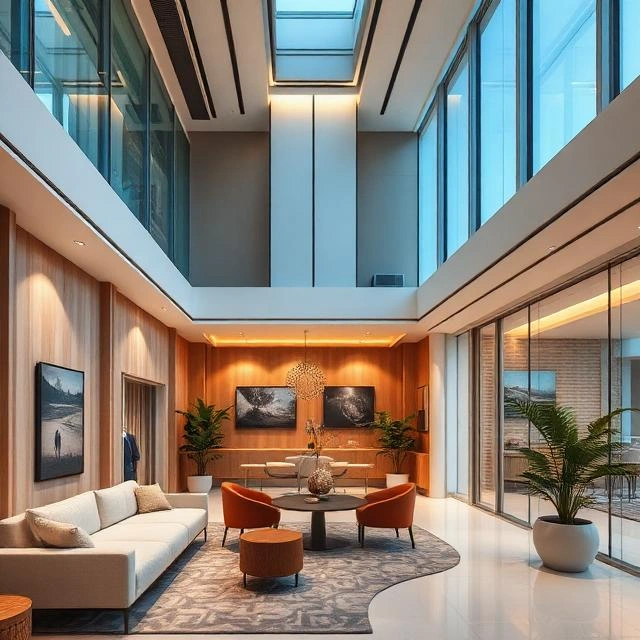
Environmental Product Declarations Improve Material Transparency
Reliable environmental decision-making depends on accurate product information. Many manufacturers now provide Environmental Product Declarations (EPDs), which present independently verified data regarding the environmental performance of building materials. Interior designers use EPDs alongside Life Cycle Assessment to compare flooring, ceiling systems, wall finishes, insulation, furniture, lighting products, adhesives, paints, and joinery materials. Transparent environmental reporting allows project teams to make evidence-based decisions instead of relying on unverified sustainability claims. This improves procurement quality while strengthening confidence among developers, consultants, and environmentally conscious clients.
Responsible Procurement Strengthens Sustainable Fit-Out Projects
Sustainability extends beyond product performance to include responsible sourcing throughout the supply chain. Life Cycle Assessment encourages procurement teams to consider manufacturing practices, transportation distances, supplier certifications, packaging methods, and ethical production standards when selecting construction materials. Procuring products from responsible manufacturers reduces transportation emissions while supporting sustainable forestry, recycled material use, and environmentally responsible production processes. Local sourcing within the UAE also helps minimise logistics-related carbon emissions while improving project scheduling and supply chain reliability.
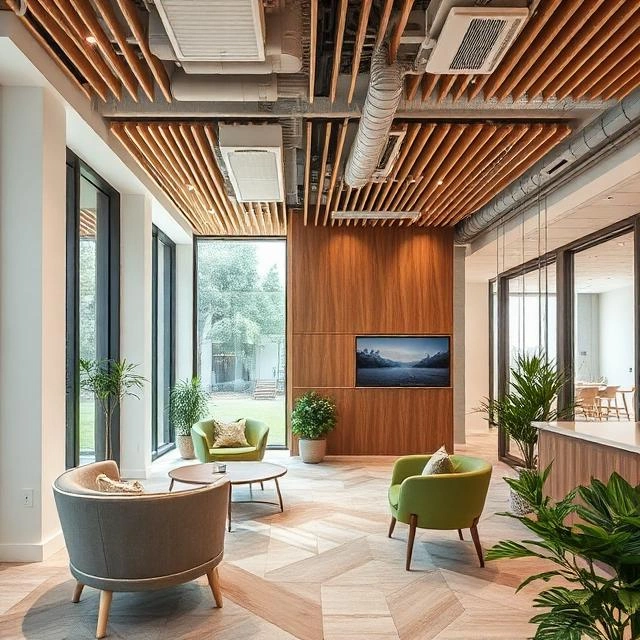
Digital Design Technology Improves Life Cycle Planning
Building Information Modelling (BIM) and advanced digital design software have transformed sustainable interior planning by allowing designers to analyse environmental performance before construction begins. Digital models help estimate material quantities, predict waste generation, evaluate energy performance, and identify opportunities for optimisation during the design phase. Life Cycle Assessment becomes more accurate when integrated with BIM because material data, maintenance schedules, replacement cycles, and environmental information can be assessed simultaneously. This digital approach enables better collaboration between architects, interior designers, engineers, contractors, and project managers while reducing costly revisions during construction.
Adaptive Reuse Extends the Life of Existing Buildings
Demolishing and rebuilding interiors often generates significant waste while increasing embodied carbon emissions. Life Cycle Assessment encourages designers to evaluate opportunities for adaptive reuse before replacing existing building elements. Refurbishing quality joinery, restoring natural stone surfaces, refinishing timber flooring, upgrading lighting systems, modernising furniture, and repurposing interior partitions often provide substantial environmental benefits compared with complete replacement. Adaptive reuse preserves valuable resources while maintaining architectural character, making it an increasingly popular strategy for commercial offices, hospitality venues, educational institutions, and luxury residential properties throughout Dubai and Sharjah.
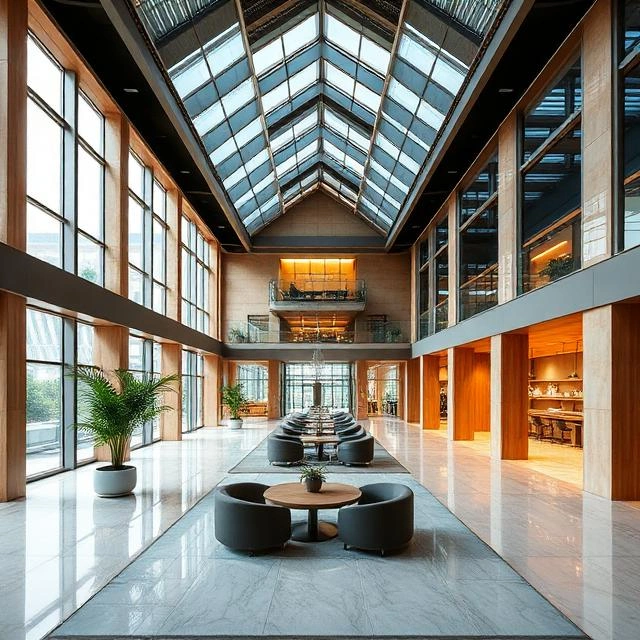
Sustainable Interior Design Supports Corporate ESG Objectives
Many organisations operating in the UAE have adopted Environmental, Social, and Governance (ESG) strategies to improve sustainability performance and demonstrate responsible business practices. Life Cycle Assessment provides measurable environmental data that supports ESG reporting by documenting reductions in carbon emissions, resource consumption, waste generation, and environmental impact throughout interior construction projects. Developers, multinational corporations, financial institutions, healthcare providers, and hospitality groups increasingly integrate lifecycle assessment into project planning to align interior developments with broader corporate sustainability commitments while enhancing stakeholder confidence and long-term business resilience.
Life Cycle Assessment Creates Lasting Value for Sustainable Interiors
The most successful sustainable interior projects are those that continue delivering value long after construction is complete. Life Cycle Assessment enables designers to create interiors that consume fewer resources, require less maintenance, improve occupant wellbeing, reduce environmental impact, and remain adaptable as user requirements evolve. Clients seeking premium sustainable environments increasingly recognise the long-term advantages of working with specialists who combine environmental expertise with technical design knowledge. Businesses, developers, and homeowners looking for UAE best sustaibale interior fit out service understand that lifecycle thinking is fundamental to creating interiors that balance luxury, performance, operational efficiency, and environmental responsibility. By integrating Life Cycle Assessment into every design decision, sustainable interiors become more resilient, economically efficient, and better prepared to meet the future demands of modern buildings across the UAE.
Measuring Environmental Performance Supports Better Decision-Making
Life Cycle Assessment provides measurable data that allows project teams to compare design options objectively rather than relying on assumptions. Interior designers evaluate indicators such as global warming potential, embodied energy, water consumption, ozone depletion, resource depletion, and waste generation before selecting materials. This evidence-based approach enables developers to justify sustainable investments using quantifiable environmental performance instead of marketing claims. As environmental regulations continue to evolve across the UAE, data-driven decision-making helps future-proof commercial, hospitality, residential, and retail interior projects while demonstrating responsible environmental stewardship.
Sustainable Interior Design Enhances Property Value and Market Appeal
Buildings designed with sustainability principles are increasingly attractive to investors, tenants, and buyers who value operational efficiency, healthier indoor environments, and lower maintenance costs. Interiors developed using Life Cycle Assessment often retain their value because they incorporate durable materials, energy-efficient systems, adaptable layouts, and environmentally responsible finishes that remain relevant for many years. In premium communities such as Dubai Hills Estate, Palm Jumeirah, Emirates Hills, Downtown Dubai, and Business Bay, sustainable interiors are becoming an important differentiator that supports higher occupancy rates, stronger resale values, and improved long-term investment performance.
Hospitality and Workplace Projects Benefit from Lifecycle Thinking
Hotels, restaurants, offices, and corporate headquarters experience heavy daily usage, making durability and maintenance critical considerations during the design process. Life Cycle Assessment helps designers specify flooring, wall finishes, furniture, lighting systems, acoustic panels, reception counters, and custom joinery that withstand continuous use while requiring minimal maintenance. This approach reduces operational interruptions and replacement costs while preserving the visual quality of the interior. Hospitality operators and corporate organisations across Dubai increasingly recognise that lifecycle planning improves guest experience, employee wellbeing, and facility management efficiency.
Collaboration Across Every Project Stage Delivers Better Results
Successful implementation of Life Cycle Assessment depends on close collaboration between architects, interior designers, sustainability consultants, MEP engineers, quantity surveyors, suppliers, contractors, and facility managers. Environmental performance should be considered from the earliest concept discussions rather than introduced after material selection has already been completed. Early collaboration allows project teams to balance design intent, technical performance, construction budgets, procurement strategies, and sustainability objectives without compromising quality. This integrated approach creates interiors that perform efficiently throughout their entire lifecycle while supporting both environmental and commercial goals.
The Future of Sustainable Interior Design Will Be Lifecycle Focused
The interior design industry continues to move toward measurable sustainability rather than simply adopting environmentally friendly products. Digital material libraries, Environmental Product Declarations (EPDs), Building Information Modelling (BIM), carbon calculators, and lifecycle databases now allow designers to evaluate environmental performance with greater accuracy than ever before. Future projects will increasingly prioritise reusable materials, circular design principles, modular construction, prefabrication, renewable resources, and low-carbon manufacturing processes. Life Cycle Assessment will remain one of the most important tools guiding these decisions, helping designers create interiors that are resilient, adaptable, and environmentally responsible.
Conclusion
Life Cycle Assessment has transformed the way sustainable interior design projects are planned, specified, and delivered. Instead of evaluating materials solely on appearance or initial cost, LCA considers their complete environmental impact—from raw material extraction and manufacturing to transportation, installation, maintenance, refurbishment, and end-of-life recycling. This comprehensive approach enables designers to reduce embodied carbon, minimise construction waste, improve indoor environmental quality, lower operational costs, and support internationally recognised sustainability standards such as LEED, WELL Building Standard, and Estidama. As the UAE continues to invest in sustainable cities, luxury developments, commercial spaces, and environmentally responsible buildings, Life Cycle Assessment will play an increasingly important role in creating interiors that balance aesthetics, functionality, durability, and environmental performance. By integrating lifecycle thinking into every design decision, sustainable interior projects become more valuable, efficient, and prepared to meet the evolving expectations of clients, businesses, and future generations.
0 comments