
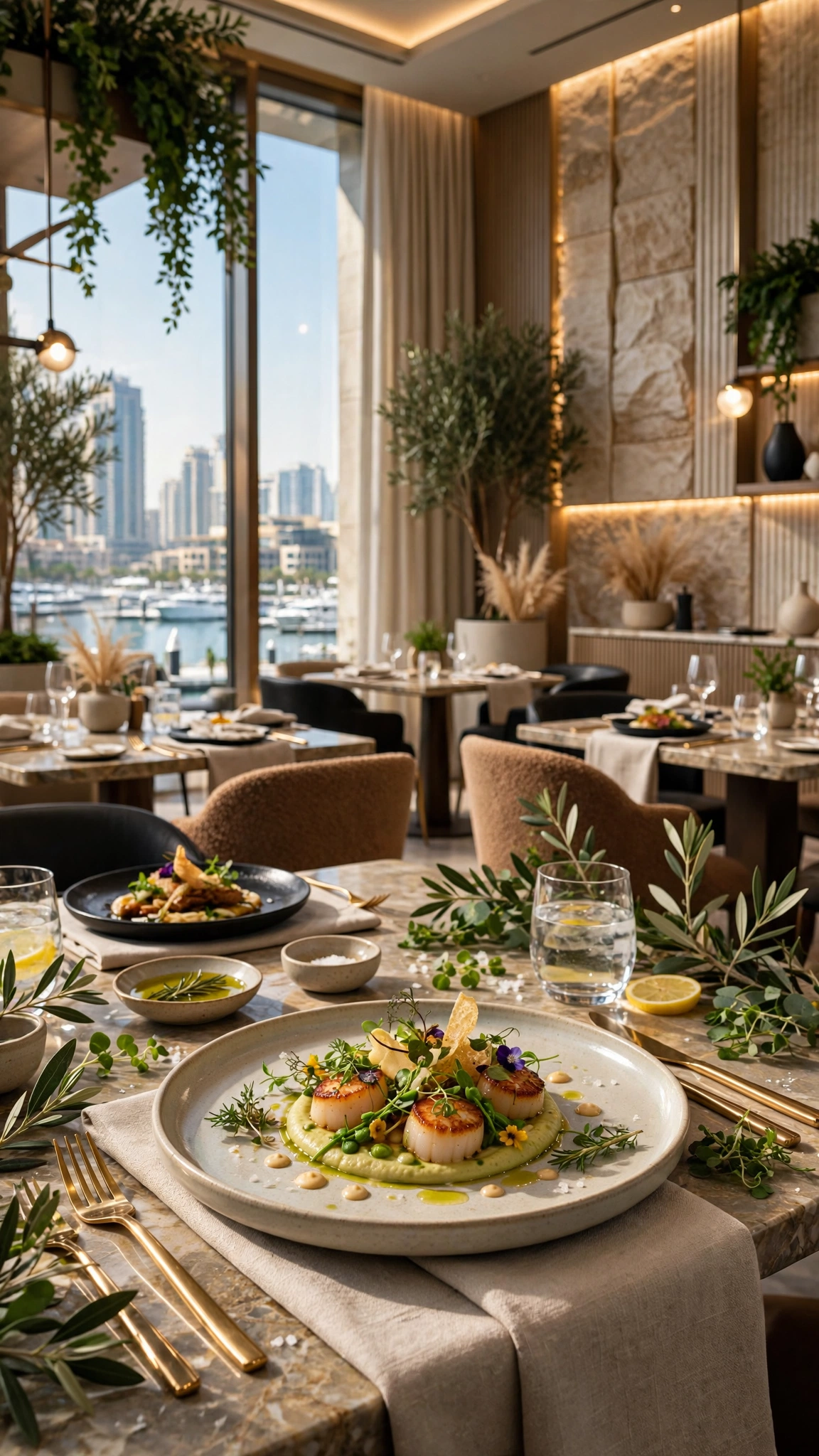
How Restaurant Interior Design Influences Customer Experience and Sales
Dubai has become one of the world’s leading culinary destinations, attracting millions of residents, tourists, and business travellers every year. From luxury fine dining restaurants in Downtown Dubai to trendy cafés in Jumeirah and waterfront restaurants in Dubai Marina, customers expect much more than exceptional food. They look for memorable dining environments that offer comfort, visual appeal, and an immersive experience.
Restaurant interior design plays a significant role in shaping how customers feel the moment they enter a restaurant. Every design element, including lighting, seating, colours, materials, acoustics, space planning, and décor, influences customer behaviour, dining satisfaction, and purchasing decisions. In today’s competitive hospitality industry, a well-designed restaurant becomes a powerful business asset that supports customer loyalty, positive reviews, repeat visits, and higher revenue.
Modern commercial restaurant interiors combine creativity with functionality to create spaces that reflect a brand’s personality while ensuring operational efficiency. Whether developing a new restaurant or renovating an existing dining space, investing in professional interior design creates long-term value for both customers and business owners.
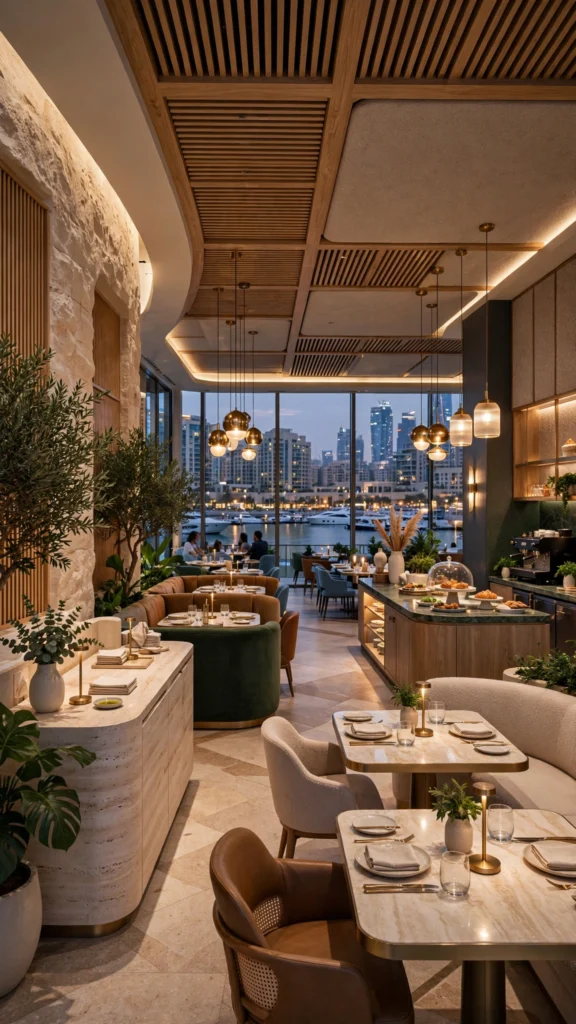
First Impressions Begin Before the Meal
Customers form opinions within seconds of entering a restaurant. The entrance, reception area, lighting, furniture, flooring, wall finishes, and overall ambience immediately influence their perception of quality and professionalism.
An attractive restaurant entrance encourages customers to feel welcomed and comfortable. Premium materials such as natural stone, engineered wood, decorative metal finishes, textured walls, and feature lighting create an inviting atmosphere that reflects the restaurant’s identity.
Restaurants across Business Bay, Downtown Dubai, DIFC, and Palm Jumeirah often invest heavily in entrance design because it becomes the first visual representation of their brand. A positive first impression increases customer confidence before food is even served.
Interior designers carefully coordinate colours, materials, signage, branding elements, and architectural features to establish consistency throughout the dining experience.
Comfortable Seating Encourages Longer Visits
Comfort directly affects customer satisfaction.
Restaurant owners often focus on menu development while overlooking the importance of seating design. However, ergonomically designed chairs, banquette seating, booth arrangements, and adequate table spacing encourage guests to relax and spend more time dining.
Longer dining durations frequently result in additional food orders, desserts, beverages, and repeat visits.
Commercial interior designers evaluate seating dimensions, circulation paths, accessibility, customer flow, and table arrangements to maximise both comfort and seating capacity.
Restaurants located in Dubai Hills, Arabian Ranches, Jumeirah Village Circle (JVC), and Mirdif increasingly prioritise family-friendly seating layouts that accommodate groups of different sizes without creating overcrowded spaces.
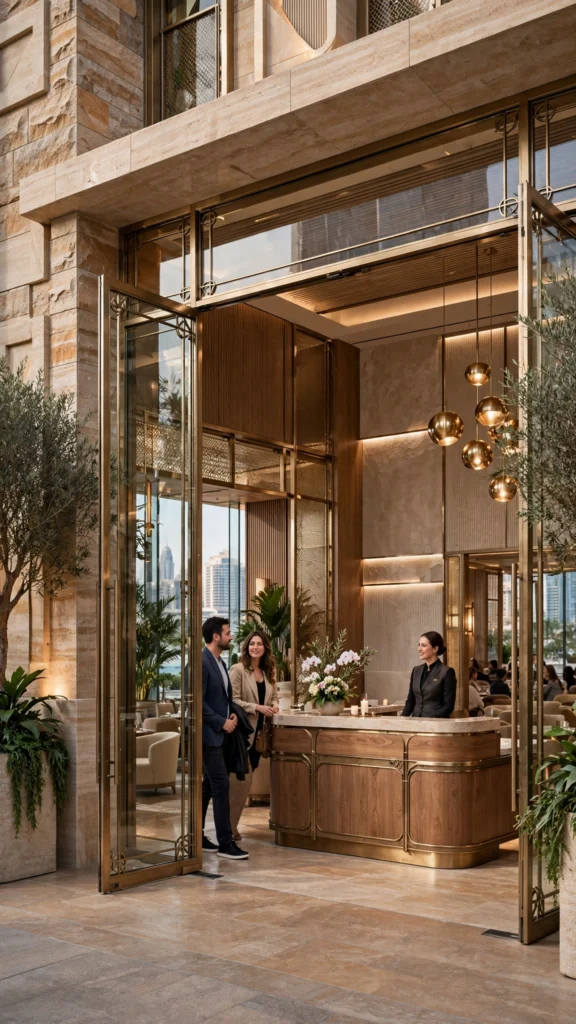
Lighting Creates the Perfect Dining Atmosphere
Lighting has a powerful psychological influence on customer behaviour.
Warm lighting creates intimate environments suitable for fine dining restaurants, while brighter illumination supports casual cafés and fast-casual dining concepts.
Layered lighting combines decorative pendant lights, recessed LED fixtures, architectural cove lighting, wall sconces, accent lighting, and feature chandeliers to establish different moods throughout the day.
Smart lighting systems automatically adjust brightness according to natural daylight, operating hours, and occupancy levels, creating consistent ambience while improving energy efficiency.
Restaurants throughout Dubai Marina, Bluewaters Island, City Walk, and Dubai Creek Harbour increasingly integrate intelligent lighting systems to enhance customer comfort and strengthen their brand image.
Proper lighting also improves food presentation, making dishes appear more visually appealing for both diners and social media photography.
Restaurant Layout Improves Customer Experience
Efficient space planning is one of the most important aspects of commercial restaurant design.
Well-planned layouts allow customers to move comfortably without congestion while enabling staff to deliver efficient service.
Professional designers carefully organise:
- Dining areas
- Waiting zones
- Reception spaces
- Kitchen access
- Beverage stations
- Service pathways
- Washrooms
- Emergency exits
- Outdoor seating
- Private dining rooms
A logical layout reduces customer frustration while improving operational productivity.
Restaurants serving high customer volumes especially benefit from circulation planning that minimises delays and prevents unnecessary staff movement.
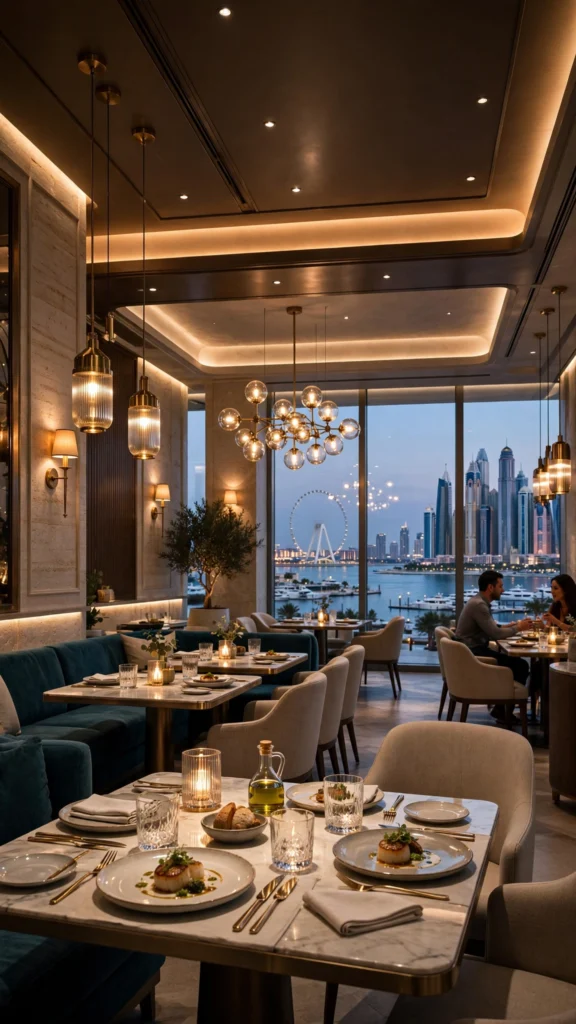
Interior Design Builds Brand Identity
Every successful restaurant tells a story through its interior design.
Luxury restaurants often utilise marble surfaces, velvet seating, brass finishes, bespoke furniture, decorative lighting, and artistic installations to communicate exclusivity.
Modern cafés frequently embrace Scandinavian design principles featuring light timber, neutral colours, minimalist furniture, and abundant natural light.
Industrial-style restaurants combine exposed ceilings, steel structures, concrete finishes, brick walls, and vintage lighting to create relaxed urban environments.
Arabic restaurants may incorporate geometric patterns, mashrabiya screens, handcrafted décor, textured plaster finishes, and cultural design influences that celebrate regional heritage.
Consistent branding throughout the interior strengthens customer recognition while creating memorable experiences that encourage repeat visits.
Colour Psychology Influences Customer Behaviour
Colours affect emotions more than many restaurant owners realise.
Warm colours such as terracotta, burnt orange, earthy browns, muted reds, and warm neutrals often stimulate appetite while creating inviting dining environments.
Green tones communicate freshness and sustainability, making them popular for healthy restaurants and cafés.
Blue is generally used sparingly within restaurant interiors because it naturally suppresses appetite, although it may complement seafood concepts and luxury dining environments.
Natural colour palettes inspired by wood, stone, sand, and greenery continue to dominate contemporary commercial restaurant design across Dubai.
Professional interior designers carefully select colour schemes that align with brand personality and customer expectations.
Acoustic Comfort Enhances the Dining Experience
Noise is one of the most overlooked aspects of restaurant design.
Excessive echo, loud conversations, and kitchen noise can reduce customer comfort, particularly in fine dining establishments.
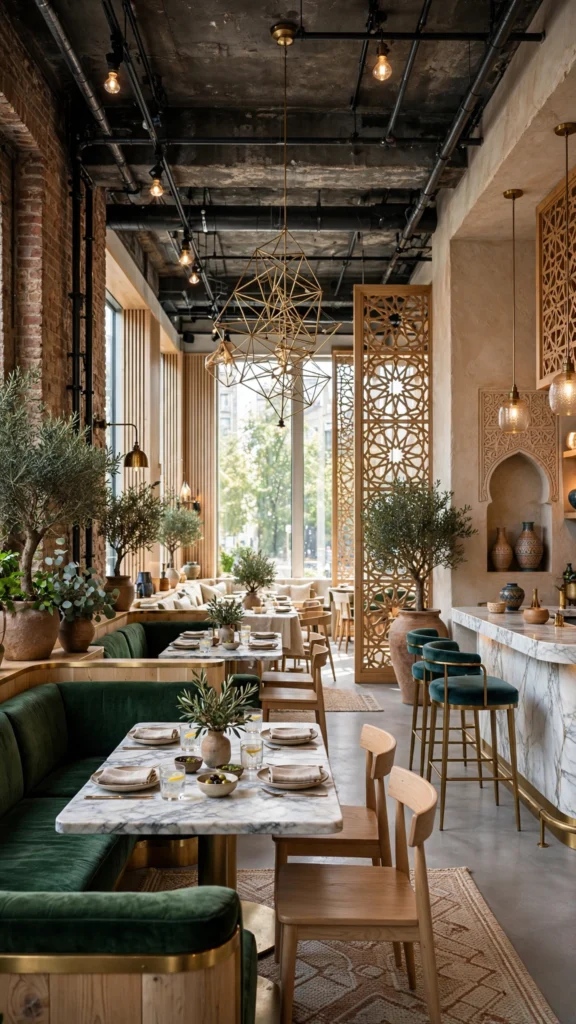
Commercial interior designers incorporate acoustic ceiling panels, upholstered seating, textured wall finishes, fabric partitions, decorative screens, rugs, and sound-absorbing materials to minimise unwanted noise.
Comfortable acoustic environments encourage conversation, longer visits, and greater customer satisfaction.
Restaurants located within mixed-use developments such as DIFC and Business Bay often require specialised acoustic planning to maintain pleasant dining environments despite busy surroundings.
Natural Materials Create Emotional Connections
Customers increasingly appreciate authentic materials that create warm, welcoming environments.
Natural timber, marble, limestone, travertine, terrazzo, decorative concrete, ceramic tiles, linen fabrics, leather upholstery, and handcrafted finishes add character while improving durability.
These materials provide timeless elegance while supporting sustainable commercial construction practices.
Restaurants in Jumeirah, Palm Jumeirah, and Emirates Hills often combine premium natural materials with contemporary architecture to create sophisticated hospitality environments.
Natural finishes also photograph exceptionally well, increasing social media engagement.
Biophilic Design Creates Relaxing Restaurant Environments
Biophilic design continues transforming restaurant interiors throughout Dubai.
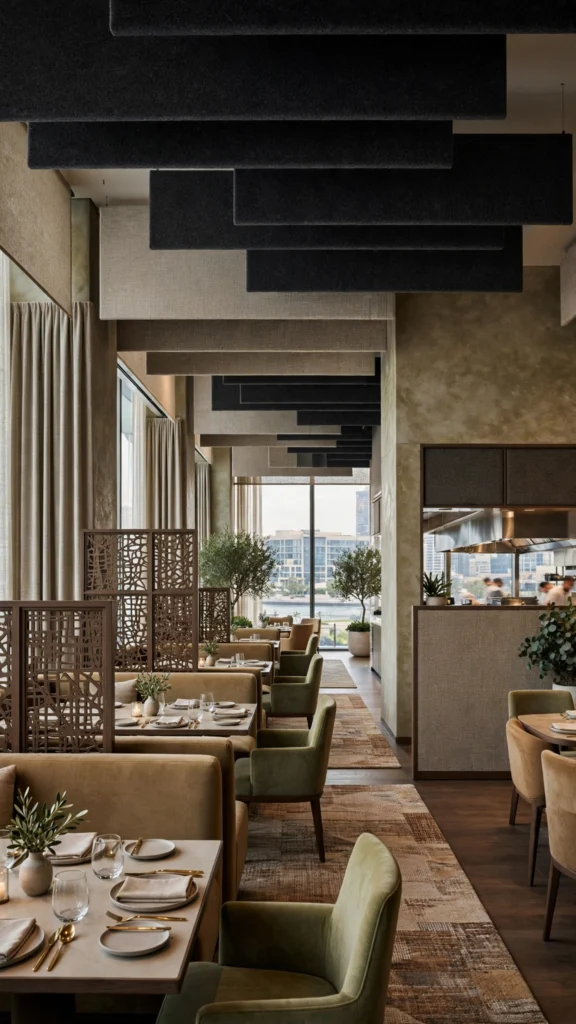
This design philosophy integrates natural elements into commercial spaces through indoor plants, vertical gardens, green walls, water features, natural daylight, timber textures, stone finishes, and organic forms.
Research consistently shows that natural environments reduce stress while improving customer comfort.
Restaurants incorporating greenery often feel more welcoming, encouraging guests to remain longer and return more frequently.
Many cafés across Al Barsha, Dubai Hills, and Jumeirah increasingly integrate landscaping into their interior concepts to create refreshing dining environments.
Social Media Has Changed Restaurant Design
Modern restaurant interiors are increasingly designed with social media visibility in mind.
Customers regularly photograph meals, décor, feature walls, lighting installations, and architectural details before sharing them on Instagram, TikTok, Facebook, and other digital platforms.
Visually attractive interiors generate valuable user-generated content that functions as free marketing.
Feature lighting, artistic murals, decorative ceilings, custom furniture, statement bars, floral installations, and unique architectural elements become memorable photo opportunities that strengthen brand awareness.
Many successful restaurants intentionally create signature spaces specifically designed to encourage customer photography.
Clean and Organised Spaces Increase Customer Confidence
Cleanliness begins with intelligent interior planning.
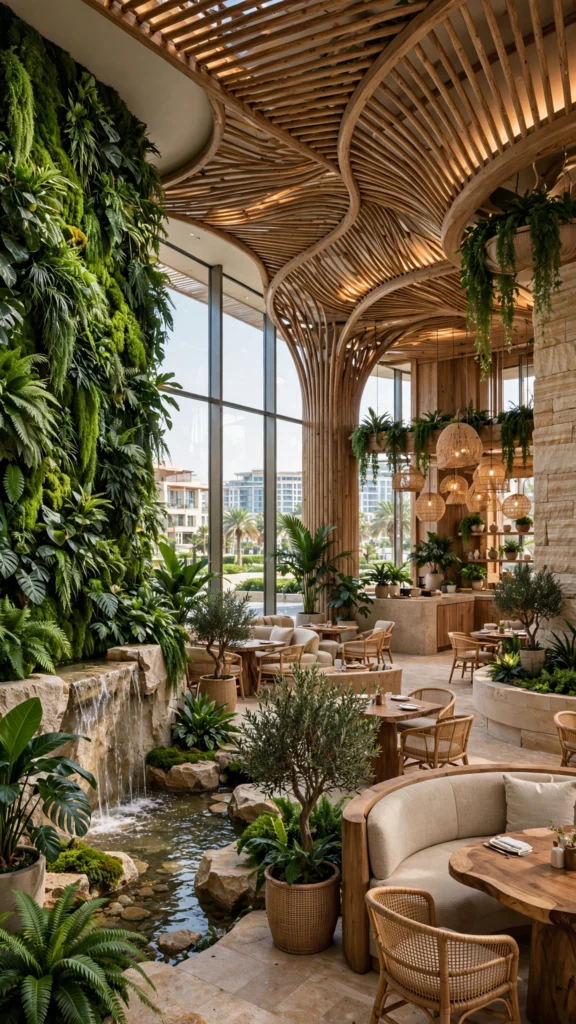
Easy-to-maintain flooring, hygienic wall finishes, durable countertops, stain-resistant furniture, and efficient storage solutions help restaurants maintain consistently high cleanliness standards.
Customers naturally associate organised environments with food safety, professionalism, and quality.
Thoughtful interior design also simplifies cleaning routines while reducing maintenance costs.
This becomes particularly important for restaurants operating at high customer volumes throughout Dubai’s busiest commercial districts.
Technology Improves Convenience and Service
Technology has become an essential part of the modern dining experience.
Restaurants increasingly integrate QR code menus, digital ordering systems, contactless payment solutions, reservation displays, self-service kiosks, digital signage, and smart lighting controls.
Behind the scenes, integrated POS systems, kitchen display systems, inventory software, and building management technologies improve operational efficiency.
Technology should complement interior design rather than dominate it, ensuring customers enjoy both convenience and hospitality.
Visual Merchandising Enhances Food Presentation
Restaurant interiors should complement the food being served.
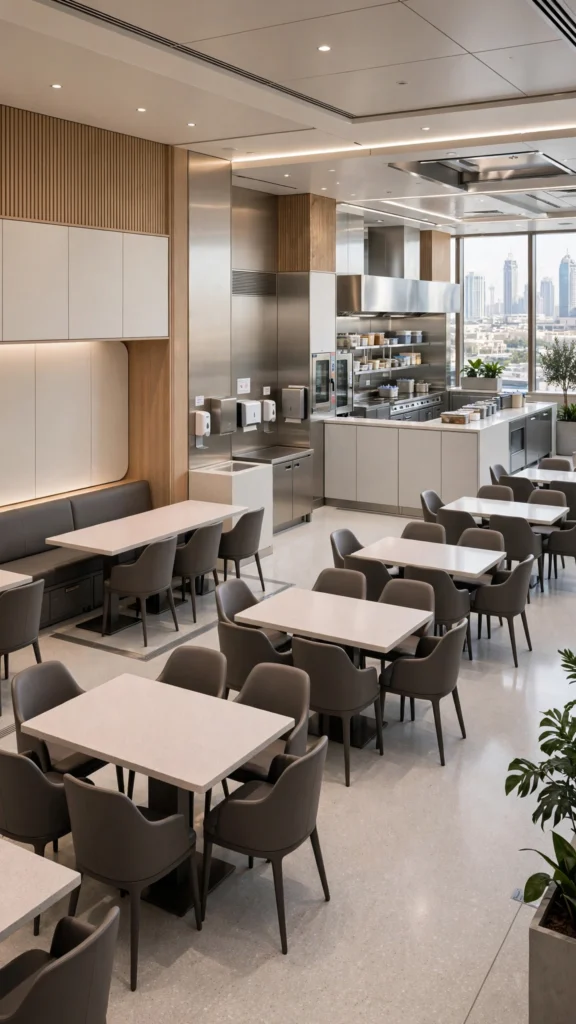
Modern hospitality design considers how menu items appear under different lighting conditions, how table settings contribute to the dining experience, and how decorative elements frame the presentation of every dish.
Natural lighting, warm LED illumination, elegant tableware, feature walls, premium countertops, and carefully selected colour palettes all contribute to creating visually appealing dining experiences.
Restaurants in Downtown Dubai, Dubai Marina, and Bluewaters Island often invest in premium interior finishes because visually impressive spaces encourage customers to photograph and share their meals online. Every customer photo becomes free digital marketing that increases brand visibility and attracts new visitors.
Outdoor Dining Expands Customer Appeal
Dubai’s pleasant winter season makes outdoor dining one of the city’s strongest hospitality attractions.
Commercial restaurants increasingly incorporate terraces, landscaped courtyards, rooftop seating, shaded patios, retractable pergolas, decorative paving, outdoor lighting, water features, and weather-resistant furniture into their designs.
Outdoor dining areas allow restaurants to increase seating capacity while offering unique experiences that attract both residents and international tourists.
Restaurants located in Palm Jumeirah, Jumeirah Beach Residence (JBR), Dubai Creek Harbour, and City Walk particularly benefit from attractive outdoor environments that combine comfort with scenic surroundings.
Well-designed outdoor spaces also support seasonal events, live entertainment, and private functions that generate additional business throughout the year.
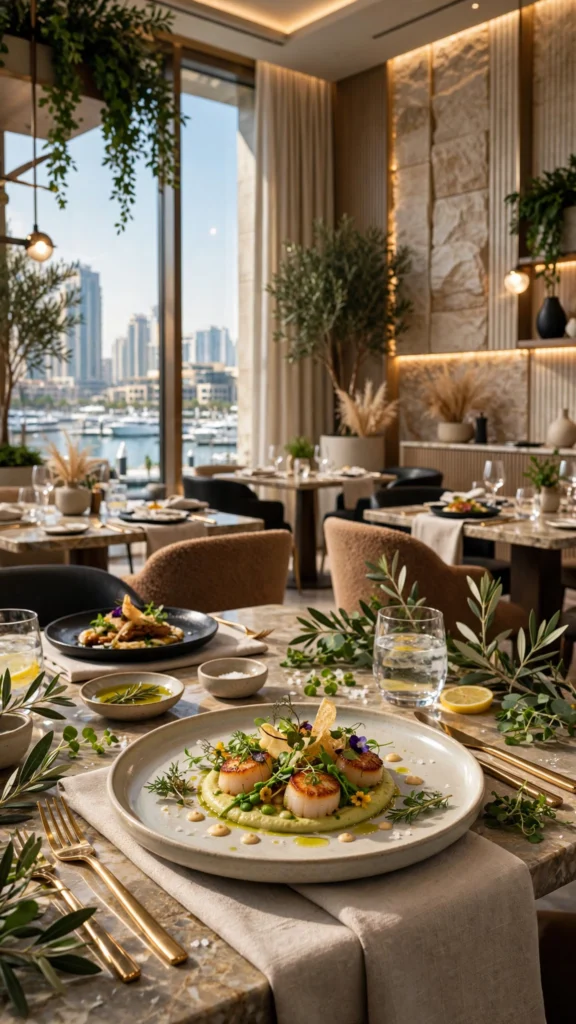
Sustainable Interior Design Appeals to Modern Customers
Environmental awareness has become increasingly important within Dubai’s hospitality industry.
Customers appreciate restaurants that demonstrate responsible design practices through sustainable materials, energy-efficient lighting, water-saving fixtures, recyclable finishes, and environmentally friendly construction methods.
Commercial interior designers now specify FSC-certified timber, recycled materials, low-VOC paints, energy-efficient LED lighting, smart climate control systems, and durable finishes that reduce long-term maintenance requirements.
Sustainable interiors not only lower operating costs but also improve indoor air quality and create healthier dining environments for both customers and staff.
Many hospitality developments throughout Dubai are adopting green building principles that align with international sustainability standards and modern customer expectations.
Accessibility Creates Inclusive Dining Experiences
Successful restaurants welcome every customer regardless of age or physical ability.
Commercial interior design includes accessible entrances, ramps, wider circulation spaces, comfortable seating arrangements, accessible washrooms, slip-resistant flooring, clear wayfinding, and barrier-free movement throughout the restaurant.
Inclusive design enhances customer satisfaction while supporting regulatory compliance and expanding the restaurant’s potential customer base.
Restaurants that prioritise accessibility demonstrate professionalism and social responsibility while creating welcoming environments for families, senior citizens, and people with disabilities.
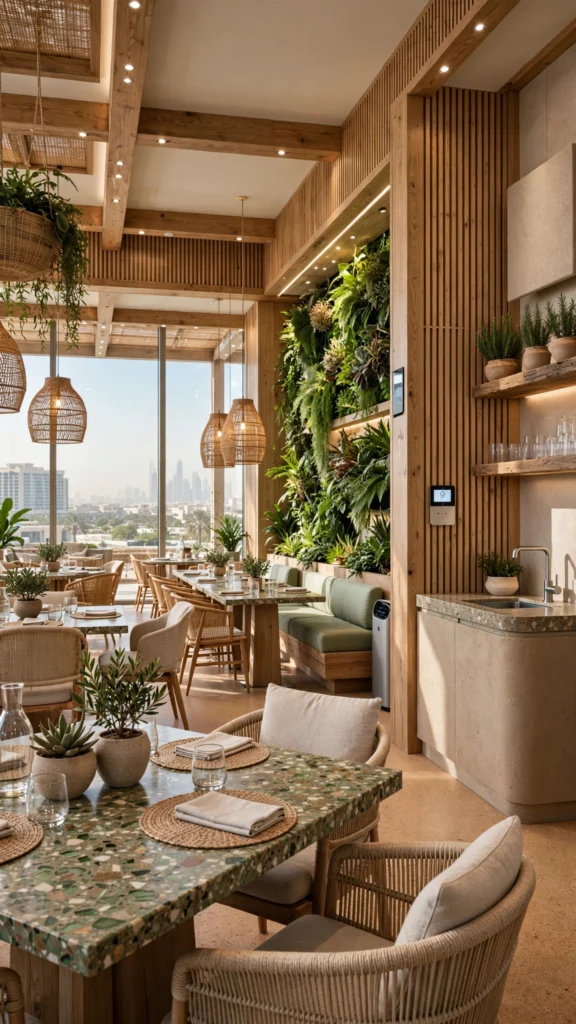
Efficient Kitchen Planning Supports Better Customer Service
Customers may never enter the kitchen, but its design significantly influences their dining experience.
Efficient commercial kitchen layouts improve food preparation times, reduce staff movement, increase hygiene standards, and enhance communication between chefs and service teams.
Professional restaurant planning coordinates kitchen workflow with dining areas through careful consideration of food preparation zones, storage areas, refrigeration, cooking equipment, dishwashing stations, and service counters.
Integration between kitchen design, HVAC systems, kitchen exhaust ventilation, fire suppression systems, plumbing, and electrical infrastructure ensures smooth daily operations while maintaining customer comfort within the dining space.
Employee Comfort Improves Customer Satisfaction
Restaurant interior design benefits employees just as much as customers.
Comfortable staff workstations, organised service areas, adequate storage, proper lighting, ergonomic layouts, and efficient circulation reduce employee fatigue and improve productivity.
Happy employees typically provide faster service, better communication, and more positive customer interactions.
Commercial designers therefore balance customer-facing aesthetics with practical back-of-house functionality to ensure the entire restaurant operates efficiently throughout busy service periods.
Interior Design Strengthens Long-Term Brand Loyalty
Customers remember experiences more vividly than individual meals.
A distinctive restaurant interior creates emotional connections that encourage repeat visits and positive recommendations.
Consistent branding through colour schemes, furniture, decorative features, architectural details, lighting, artwork, and materials helps customers immediately recognise the restaurant and associate it with positive memories.
Strong interior branding also supports franchise expansion by creating a consistent visual identity across multiple restaurant locations.
Whether operating a boutique café or a multi-location dining chain, consistent design reinforces customer trust and strengthens long-term brand recognition.
Commercial Interior Design Across Dubai’s Growing Dining Destinations
Dubai’s restaurant industry continues expanding into new residential and commercial communities, each requiring tailored interior solutions.
Business Bay attracts professionals seeking contemporary restaurants suitable for business lunches and evening dining.
Downtown Dubai demands premium hospitality environments that complement luxury hotels, shopping destinations, and international tourism.
Dubai Marina and JBR favour modern waterfront concepts with panoramic views and relaxed atmospheres.
Palm Jumeirah is known for luxury restaurants that combine sophisticated architecture with premium interior finishes.
Dubai Hills has become a thriving destination for family restaurants, neighbourhood cafés, and lifestyle dining experiences.
Jumeirah continues attracting boutique cafés, fine dining establishments, and elegant hospitality concepts.
City Walk encourages creative restaurant interiors that combine retail, entertainment, and dining into immersive customer experiences.
Emerging communities such as Dubai South, Al Furjan, Tilal Al Ghaf, Meydan, Motor City, Dubai Silicon Oasis, and Arabian Ranches are also witnessing growing demand for professionally designed restaurants that serve expanding residential populations.
Understanding the preferences of each local community allows restaurant owners to create interiors that resonate with their target audience while supporting long-term commercial success.
Return on Investment Through Professional Restaurant Design
Restaurant interior design should never be viewed simply as an expense.
Professional design delivers measurable business benefits including increased customer satisfaction, stronger online reviews, improved operational efficiency, higher average spending, better staff productivity, reduced maintenance costs, and stronger brand positioning.
High-quality materials require fewer repairs, energy-efficient systems reduce utility expenses, and well-planned layouts improve service speed during busy periods.
Restaurants with memorable interiors often achieve greater customer loyalty and stronger social media exposure, resulting in sustained business growth over many years.
For owners planning a new hospitality venture or upgrading an existing dining space, investing in professional Restaurant Interior Design Sevice helps transform design concepts into commercially successful environments that combine creativity, functionality, and operational excellence.
The Future of Restaurant Interior Design in Dubai
Dubai continues setting global standards in hospitality innovation, and restaurant interiors are evolving alongside changing customer expectations.
Future restaurant environments will increasingly incorporate artificial intelligence, smart building automation, interactive digital displays, adaptive lighting systems, energy-efficient technologies, contactless customer experiences, and sustainable construction materials.
Designers are also embracing biophilic architecture, flexible seating arrangements, immersive sensory experiences, and personalised hospitality environments that strengthen emotional connections with customers.
As dining preferences continue changing, restaurants that invest in innovative commercial interior design will remain competitive while delivering exceptional customer experiences that inspire loyalty and positive word-of-mouth.
Conclusion
Restaurant interior design has become one of the most influential factors in the success of hospitality businesses across Dubai. From the first impression at the entrance to the comfort of seating, lighting, acoustics, space planning, and overall ambience, every detail shapes customer perception and purchasing behaviour.
Restaurants that combine attractive aesthetics with practical functionality create memorable dining experiences that encourage repeat visits, increase customer spending, strengthen online visibility, and improve long-term profitability.
Whether developing a luxury fine dining venue in Downtown Dubai, a contemporary café in Dubai Hills, a waterfront restaurant in Dubai Marina, or a family dining destination in Jumeirah, professional commercial interior design provides the foundation for sustainable business success. By creating environments that balance operational efficiency with exceptional customer experiences, restaurant owners can build strong brands that continue attracting guests in one of the world’s most competitive hospitality markets.
0 comments