

What to Expect During a Full Villa Renovation in Dubai
Renovating a villa in Dubai is not just about upgrading interiors—it’s a strategic transformation that enhances lifestyle, property value, and long-term functionality. Whether you own a villa in Emirates Hills, Palm Jumeirah, Arabian Ranches, or Jumeirah, a full renovation requires careful planning, expert execution, and a deep understanding of local regulations and design standards.
This guide explains everything you should expect during a full villa renovation in Dubai, from planning and approvals to execution and final handover, so you can approach your project like a true professional.
Understanding the Scope of a Full Villa Renovation
A full villa renovation typically involves a complete upgrade of both interior and exterior spaces. This may include structural modifications, layout changes, new flooring, kitchen and bathroom remodeling, electrical and plumbing upgrades, and landscaping.
Unlike partial renovations, a full renovation focuses on transforming the entire property into a modern, functional, and visually appealing space. Many homeowners begin by exploring villa renovation ideas to define their vision, whether it’s a luxury upgrade, a modern minimalist design, or a family-friendly layout.
The scope can vary depending on the age of the villa, its current condition, and your long-term goals.
Initial Planning and Consultation
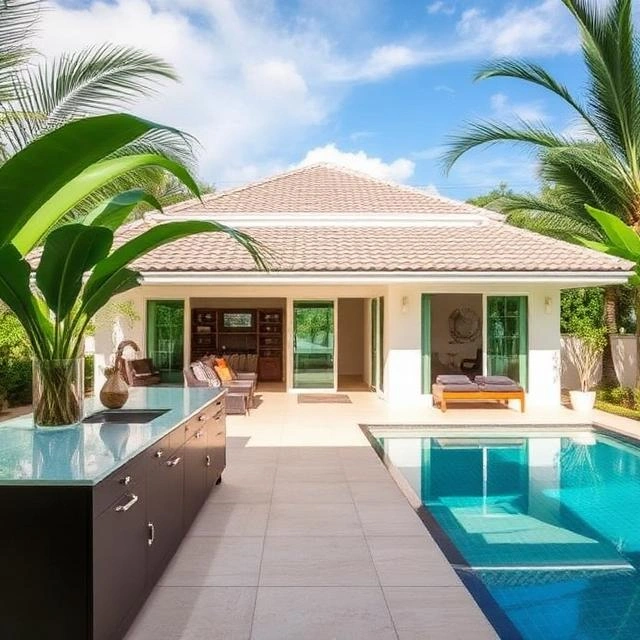
The renovation journey starts with planning. This phase involves working with interior designers, architects, and contractors to define your goals, budget, and timeline.
Professionals will assess your villa’s structure, identify limitations, and suggest improvements. This is where design concepts, mood boards, and space planning come into play. You’ll decide on materials, color schemes, layouts, and features such as smart home systems or energy-efficient upgrades.
Budget planning is critical at this stage. A realistic budget should include design fees, construction costs, approvals, materials, and a contingency fund for unexpected expenses.
Design Development and Visualization
Once the concept is finalized, designers move into detailed planning. This includes 2D layouts, 3D visualizations, and technical drawings.
In Dubai, high-end villa renovations often use advanced 3D rendering tools to help homeowners visualize the final result before construction begins. This reduces errors and ensures that every detail aligns with your expectations.
Design development also includes selecting materials such as marble, wood, tiles, lighting fixtures, and custom furniture. Every element is carefully chosen to match the overall theme and functionality of the villa.
Approvals and Regulations in Dubai
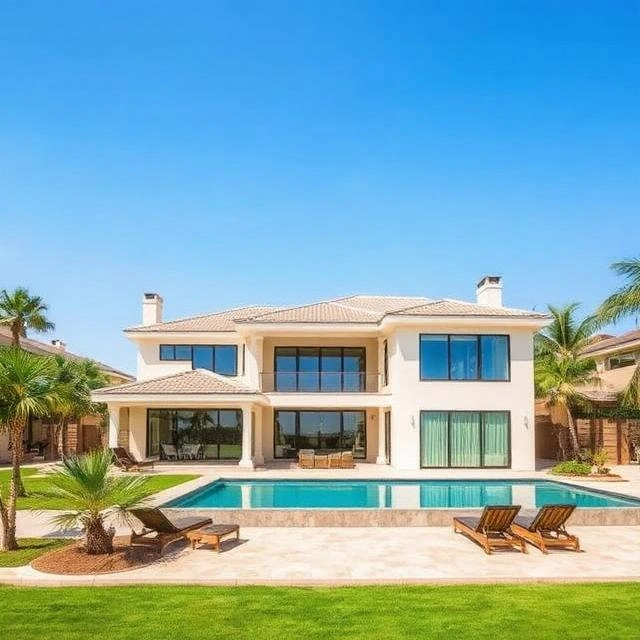
One of the most important aspects of renovating a villa in Dubai is obtaining the necessary approvals. Depending on your location, you may need permissions from authorities such as Dubai Municipality, Nakheel, Emaar, or Trakhees.
These approvals are required for structural changes, electrical modifications, plumbing work, and external alterations. Working with an experienced contractor is essential because they understand the approval process and ensure compliance with local regulations.
Skipping this step can lead to delays, fines, or even project cancellation, so it must be handled professionally.
Demolition and Site Preparation
After approvals are secured, the physical work begins with demolition. This phase involves removing old flooring, walls, fixtures, and outdated systems.
Demolition must be done carefully to avoid damaging the structural integrity of the villa. Professional teams use specialized tools and follow safety protocols to ensure a clean and controlled process.
Site preparation also includes clearing debris and preparing the space for construction work.
Structural and Layout Modifications
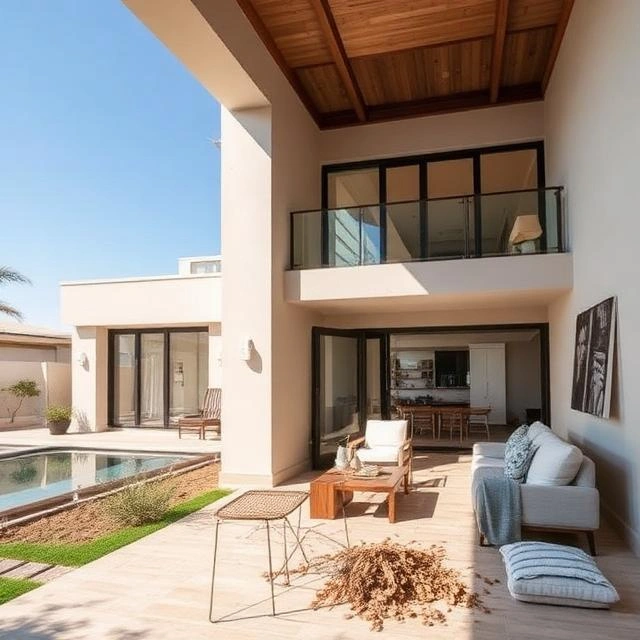
If your renovation includes layout changes, this phase involves modifying walls, ceilings, and structural elements. Open-plan living spaces are particularly popular in Dubai villas, as they create a sense of luxury and spaciousness.
Engineers may be involved to ensure that structural changes are safe and compliant with building codes. This is also the stage where extensions, additional rooms, or outdoor features like pergolas and terraces may be added.
Electrical and Plumbing Upgrades
Modern villas require advanced electrical and plumbing systems. During renovation, outdated wiring and pipes are replaced with new, efficient systems.
This includes installing smart home automation, energy-efficient lighting, modern HVAC systems, and high-quality plumbing fixtures. Proper planning ensures that all systems are integrated seamlessly without future issues.
In Dubai’s climate, efficient cooling systems and water management are particularly important.
Interior Finishing and Design Execution
Once the structural work is complete, the focus shifts to interior finishing. This is where the villa starts to take its final shape.
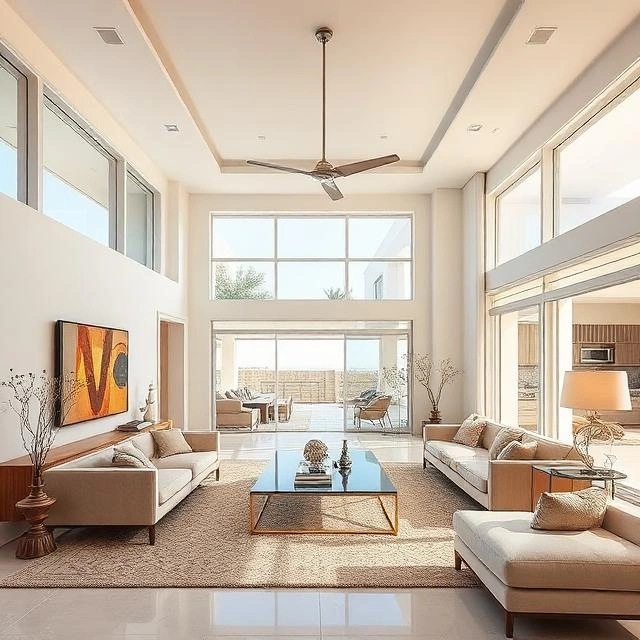
Flooring materials such as marble, porcelain tiles, or hardwood are installed. Walls are painted or finished with decorative elements like wallpapers or textured panels. Ceilings may include false ceilings with integrated lighting.
Kitchens and bathrooms are fitted with modern cabinetry, countertops, and fixtures. Custom wardrobes, doors, and furniture are also installed during this stage.
Attention to detail is crucial, as finishing quality defines the overall look and feel of the villa.
Exterior Renovation and Landscaping
A full villa renovation in Dubai often includes exterior upgrades. This may involve façade redesign, painting, stone cladding, or modern architectural elements.
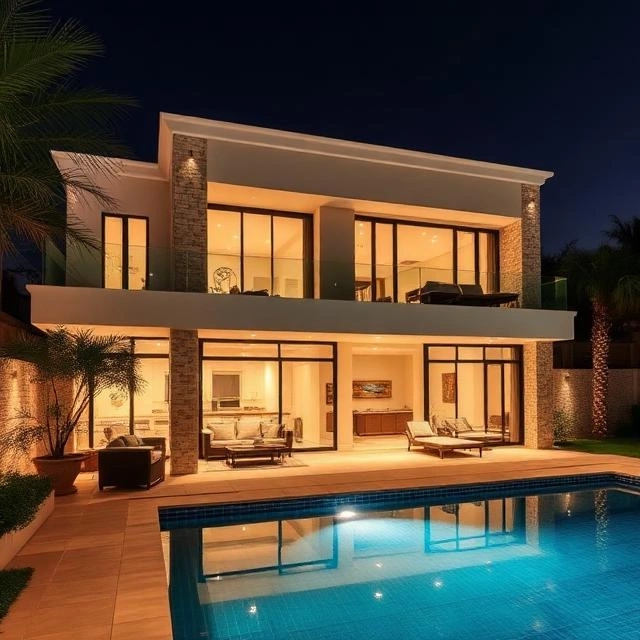
Landscaping is another key component. Outdoor spaces can be transformed into relaxing environments with gardens, swimming pools, outdoor seating areas, and lighting.
Given Dubai’s lifestyle, outdoor living areas are highly valued and can significantly enhance property appeal.
Quality Control and Project Management
Throughout the renovation process, project management plays a vital role. A dedicated project manager ensures that timelines are followed, budgets are maintained, and quality standards are met.
Regular site inspections are conducted to identify and resolve issues early. Communication between the client, designers, and contractors is essential for a smooth workflow.
Professional project management minimizes delays and ensures that the renovation stays on track.
Timeline Expectations
The duration of a full villa renovation in Dubai depends on the size and complexity of the project. On average, it can take anywhere from 3 to 9 months.
Smaller villas with minimal structural changes may be completed faster, while luxury or large-scale renovations require more time. Delays can occur due to approval processes, material availability, or design changes, so flexibility is important.
Cost Considerations
Renovation costs in Dubai vary widely based on design complexity, materials, and labor. Luxury renovations with premium finishes and custom features will naturally cost more.
It’s important to work with transparent contractors who provide detailed quotations. Always allocate a contingency budget of at least 10–15% to handle unexpected expenses.
Investing in quality materials and skilled professionals ensures long-term value and reduces maintenance costs.
Common Challenges and How to Avoid Them
Villa renovations can come with challenges such as budget overruns, delays, or design mismatches. However, these can be avoided with proper planning and expert guidance.
Clear communication, detailed contracts, and regular updates help prevent misunderstandings. Choosing experienced professionals ensures that potential issues are addressed before they become major problems.
Final Handover and Inspection
Once the renovation is complete, a final inspection is conducted. This includes checking all systems, finishes, and installations to ensure they meet the agreed standards.
Any minor defects are corrected before the final handover. You will also receive documentation related to warranties, maintenance, and approvals.
This stage marks the successful completion of your villa transformation.
0 comments