
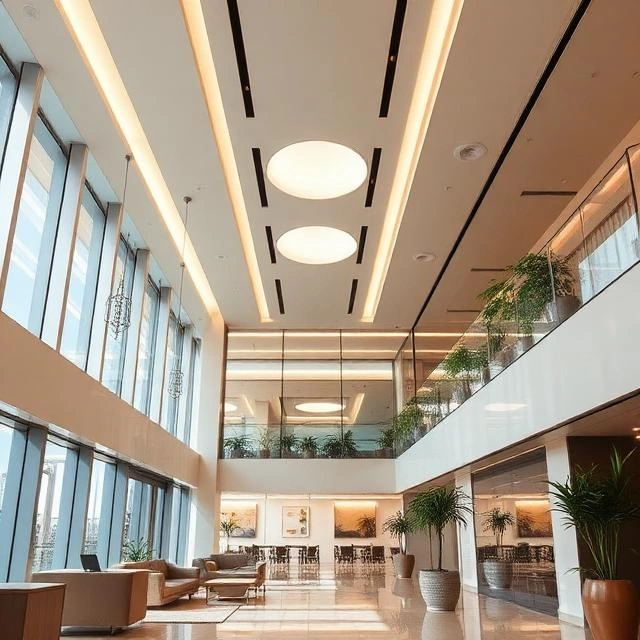
Why Sustainable Interior Design Is Growing in Dubai and the UAE
Sustainable interior design has evolved from a niche concept into a major priority across the UAE. As cities continue to expand and governments focus on environmental responsibility, homeowners, businesses, architects, and developers are increasingly choosing eco-friendly interior solutions. Sustainable design not only reduces environmental impact but also improves indoor comfort, energy efficiency, and long-term property value.
Dubai and the wider UAE have become leaders in sustainable construction by adopting green building regulations, encouraging renewable energy, and promoting environmentally responsible developments. As a result, sustainable interior design has become an essential part of modern residential, commercial, hospitality, healthcare, and retail projects.
Understanding Sustainable Interior Design
Sustainable interior design focuses on creating healthy, efficient, and environmentally responsible indoor spaces. Every design decision considers the environmental impact of materials, energy use, water consumption, and indoor air quality.
Rather than following short-term trends, sustainable interiors are designed to perform efficiently for many years while minimizing waste and conserving natural resources.
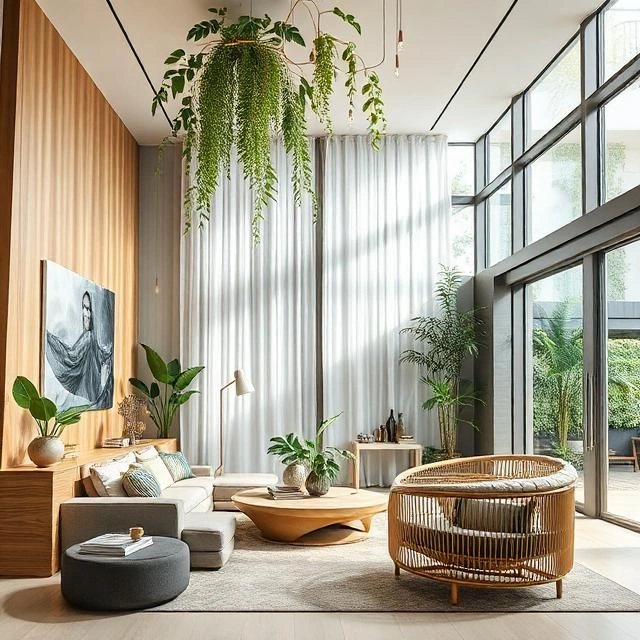
The UAE’s Commitment to Sustainability
The UAE has introduced ambitious environmental initiatives aimed at reducing carbon emissions and supporting sustainable development. National strategies encourage energy-efficient construction, renewable energy adoption, and environmentally responsible urban planning.
These initiatives have encouraged developers and property owners to invest in buildings that consume fewer resources while offering healthier living and working environments.
Dubai’s Rapid Urban Development
Dubai continues to experience significant residential and commercial growth. New communities, luxury villas, high-rise apartments, hotels, offices, and mixed-use developments are being constructed throughout the city.
As construction expands, sustainable interior design ensures these buildings remain efficient, comfortable, and environmentally responsible throughout their lifecycle.
Growing Environmental Awareness
People today understand the importance of protecting natural resources more than ever before.
Homeowners want interiors that reduce waste, improve energy efficiency, and create healthier environments for their families. Businesses are also adopting sustainable practices to strengthen their corporate responsibility while lowering operational costs.
This growing awareness continues to increase demand for eco-friendly interior solutions across the UAE.
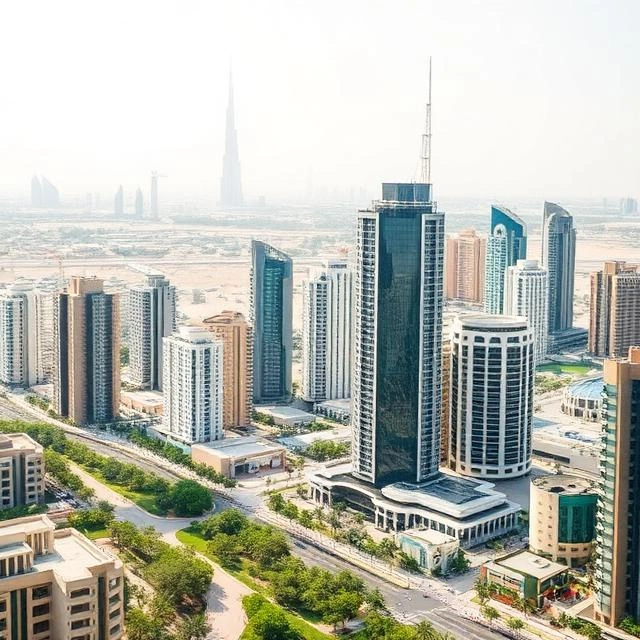
Energy Efficiency Has Become a Priority
Electricity consumption represents one of the largest operating expenses in residential and commercial buildings.
Sustainable interior design reduces energy demand through efficient lighting systems, improved space planning, smart automation, insulation, and the effective use of natural daylight. These improvements help lower utility bills while reducing environmental impact.
Smart Buildings Drive Sustainable Design
Dubai has become one of the world’s leading smart cities.
Modern buildings increasingly integrate intelligent lighting controls, occupancy sensors, automated climate control, and energy management systems. Sustainable interior design works alongside these technologies to maximize efficiency without sacrificing aesthetics or comfort.
Green Building Standards Encourage Better Interiors
International green building standards have significantly influenced interior design throughout the UAE.
Many commercial projects now follow sustainable construction guidelines that emphasize responsible material selection, efficient energy use, improved indoor air quality, and environmentally friendly building practices.
Interior designers play a critical role in helping projects achieve these sustainability objectives.
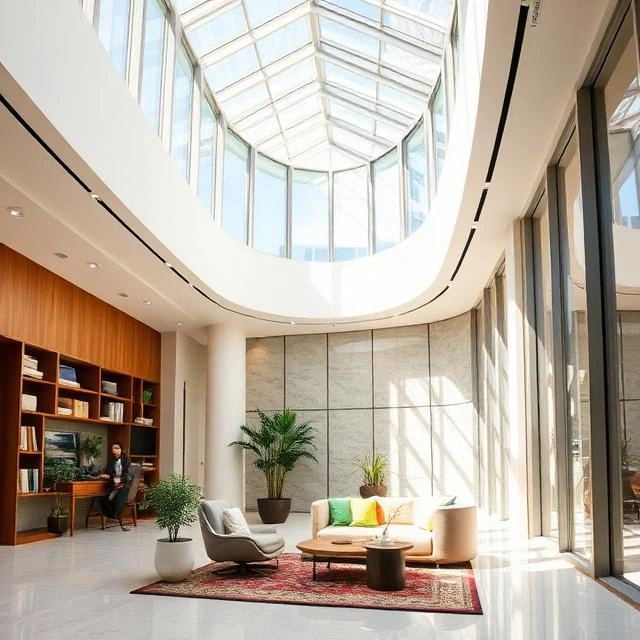
Eco-Friendly Materials Are More Accessible
Sustainable materials have become widely available throughout the UAE construction market.
Designers now have access to FSC-certified timber, recycled wood products, bamboo, recycled metal, reclaimed stone, natural textiles, recycled glass, cork flooring, and environmentally friendly insulation materials.
These materials reduce environmental impact while maintaining premium quality and attractive aesthetics.
Indoor Air Quality Matters More Than Ever
Healthy indoor environments have become an important consideration for homeowners and businesses.
Low-VOC paints, formaldehyde-free furniture, natural ventilation strategies, air-purifying plants, and environmentally responsible finishes help improve indoor air quality while reducing exposure to harmful chemicals.
Better indoor environments contribute to improved health, comfort, and productivity.
Luxury Homes Are Embracing Sustainability
Luxury no longer means excessive resource consumption.
High-end villas in communities such as Dubai Hills, Emirates Hills, Palm Jumeirah, Arabian Ranches, and Jumeirah Golf Estates increasingly combine elegant design with environmentally responsible materials and energy-efficient technologies.
Homeowners appreciate interiors that deliver both sophistication and sustainability.
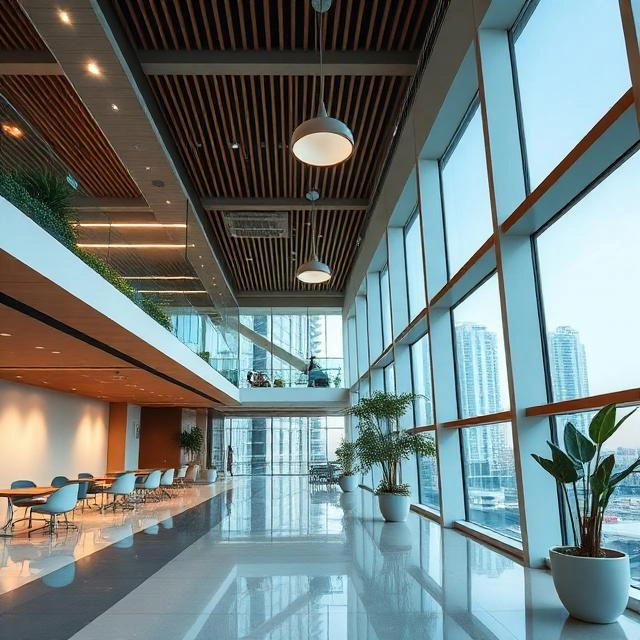
Commercial Offices Are Going Green
Modern offices require more than attractive interiors.
Businesses now prioritize employee wellness, operational efficiency, and environmental responsibility. Sustainable interior design supports these goals by creating healthier workplaces with better lighting, improved acoustics, efficient layouts, and environmentally friendly materials.
These improvements often increase employee satisfaction and workplace productivity.
Hospitality Industry Is Adopting Sustainable Interiors
Hotels and resorts throughout Dubai and the UAE are increasingly investing in sustainable interior design.
Energy-efficient lighting, water-saving fixtures, recycled materials, durable furnishings, and smart room controls help reduce operational expenses while supporting environmental goals. Guests also increasingly prefer hotels demonstrating genuine sustainability practices.
Sustainable Design Supports Long-Term Savings
Although sustainable materials may sometimes involve higher initial investment, they often provide significant long-term financial benefits.
Energy-efficient lighting, durable finishes, quality insulation, and environmentally responsible materials reduce maintenance requirements, utility expenses, and replacement costs over the life of the building.
Natural Lighting Improves Interior Performance
Maximizing natural daylight is one of the fundamental principles of sustainable interior design.
Careful furniture placement, open layouts, reflective finishes, and strategic window treatments allow sunlight to illuminate interior spaces more effectively. This reduces dependence on artificial lighting while creating brighter and more welcoming environments.
0 comments