
Interior Design Trends in Dubai for 2026
Dubai has always set the pace for design, and 2026 is no exception. As lifestyles evolve and homeowners and businesses become more discerning, interior design in the emirate is moving towards spaces that feel warmer, smarter, more sustainable, and more personal. The era of cold, showy interiors is giving way to design that balances beauty with genuine comfort and function.
Whether you are planning a home renovation, opening a new venue, or simply looking for inspiration, understanding where design is heading helps you create spaces that feel current today and remain timeless for years. Here are the interior design trends defining Dubai in 2026, and how to bring them into your own home or workspace.
Why Interior Design Is Evolving in Dubai
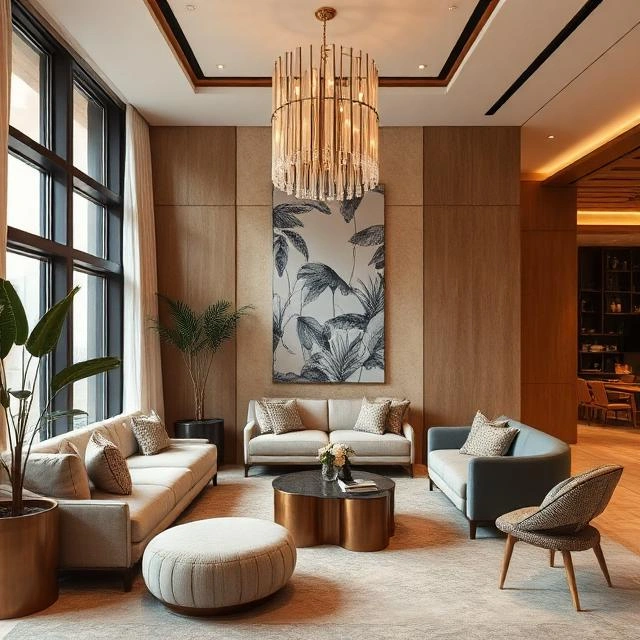
Several forces are reshaping how spaces are designed across the UAE. People are spending more time at home and expecting more from their workplaces, so interiors now have to support wellbeing, productivity, and relaxation in equal measure. At the same time, a growing awareness of sustainability and a desire for individuality are pushing design away from generic luxury towards something more meaningful.
The result is a clear shift: away from excess and towards intention. The most admired interiors of 2026 are not the most expensive, but the most considered, where every material, colour, and layout decision serves a purpose.
1. Warm Minimalism and Japandi
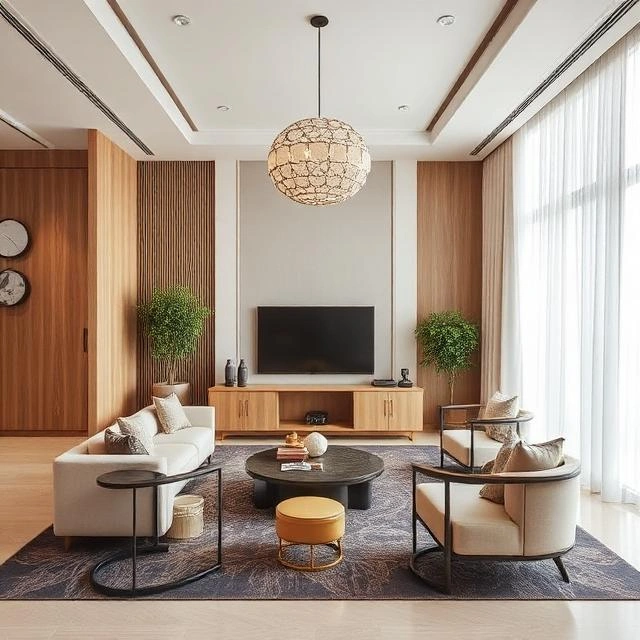
Minimalism is no longer cold or stark. In 2026, it has evolved into warm minimalism, where clean lines and clutter-free spaces are softened by natural materials, tactile textures, and a calming palette. This approach delivers the serenity of simplicity without sacrificing comfort.
Closely linked is the continued rise of Japandi, the fusion of Japanese refinement and Scandinavian warmth. With its emphasis on craftsmanship, natural wood, and quiet balance, the style suits the Dubai desire for calm retreats from a fast-paced city. Homeowners are choosing fewer, better pieces and letting light and texture do the talking, creating interiors that feel both serene and deeply personal.
2. Sustainable and Biophilic Design
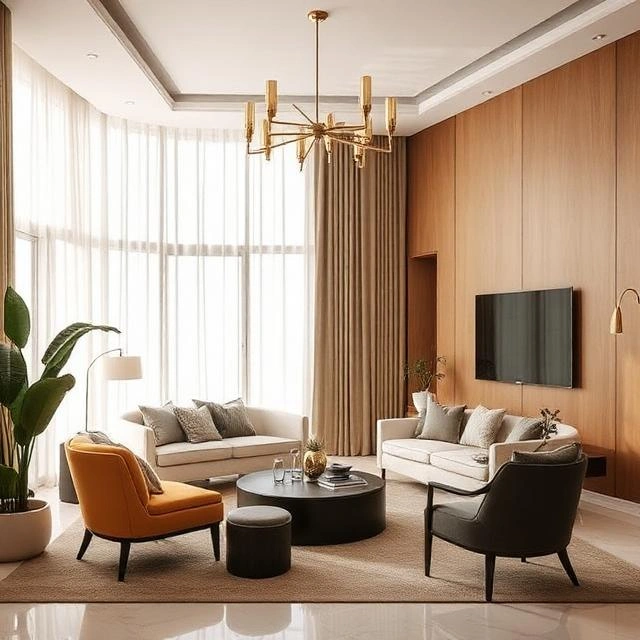
Sustainability has moved from a nice-to-have to a genuine priority. In 2026, more clients are asking for responsibly sourced materials, energy-efficient lighting and cooling, and finishes that are healthier to live with. This is both an ethical choice and a practical one, as efficient interiors cost less to run in Dubai’s demanding climate.
Hand in hand with this comes biophilic design, the practice of connecting interiors to nature. Indoor planting, natural materials, and a strong relationship with daylight reduce stress and improve wellbeing. Embracing eco-friendly interiors is one of the clearest design directions of the year, blending environmental responsibility with calm, natural beauty.
3. Characterful, Contemporary Spaces
After years of safe neutrals, 2026 welcomes more personality. Curved forms, sculptural furniture, arches, and softer silhouettes are replacing hard rectangular lines, bringing a sense of flow and warmth to contemporary rooms. Statement pieces, expressive art, and considered colour are being used to give spaces a clear identity.
This does not mean abandoning the clean, functional foundations of modern interiors. Instead, it means layering character on top of them, so a space feels both current and unmistakably personal. The key is restraint: one or two bold gestures in an otherwise calm room create impact without chaos.
4. Multifunctional and Flexible Spaces
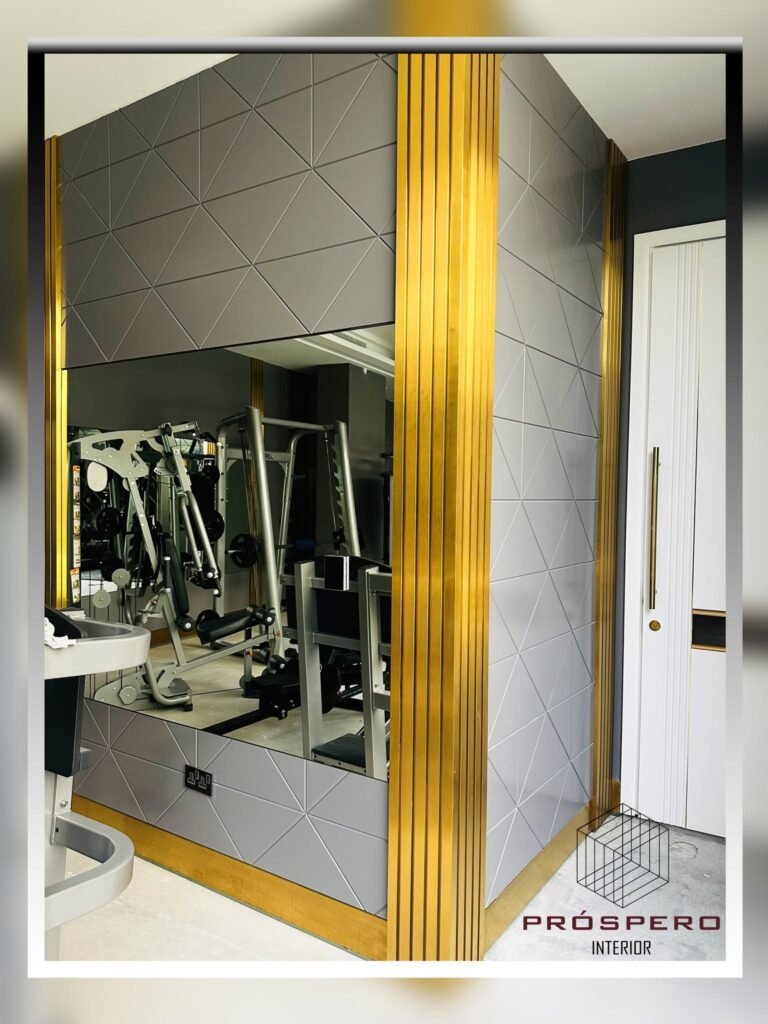
Homes and workplaces are working harder than ever. As hybrid working and compact city living continue, flexible spaces that adapt to different needs are essential. A home office that doubles as a guest room, a kitchen island that becomes a social hub, and modular furniture that reconfigures with ease are all defining features of 2026 design.
This flexibility is especially valuable in apartments and smaller homes, where every square metre counts. Thoughtful interiors now prioritise clever storage, zoning, and adaptable layouts that allow a single space to serve many purposes throughout the day without ever feeling cluttered.
5. Quiet Luxury With Warmth
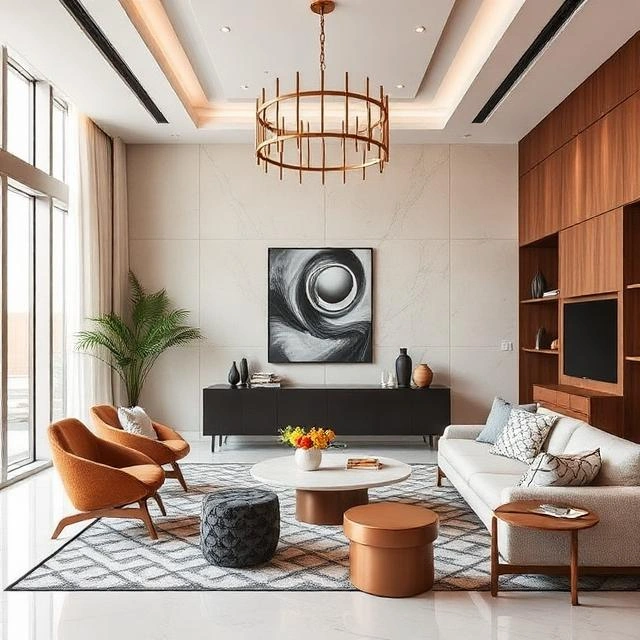
Luxury in 2026 is quieter and more confident. Rather than relying on obvious opulence, the most sophisticated interiors express richness through exceptional materials, flawless craftsmanship, and considered detail. Think natural stone, fine timber, brushed metals, and tactile fabrics, combined with restraint and balance.
This evolution of high-end design keeps the grandeur but adds genuine warmth and liveability. Those investing in luxury homes are choosing timeless elegance over fleeting trends, creating spaces that feel both impressive and deeply comfortable to live in every day.
6. The Urban Industrial Revival
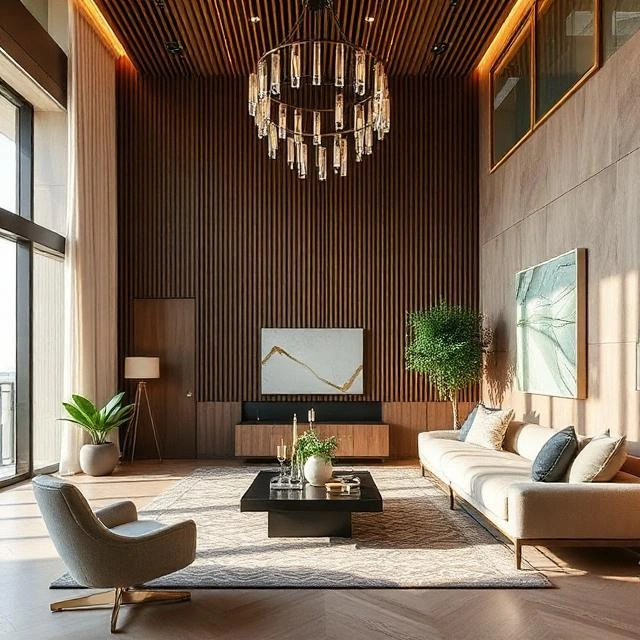
The urban industrial aesthetic continues to thrive, particularly in apartments, lofts, and creative spaces. Exposed textures, concrete, blackened steel, and open layouts create interiors with edge and authenticity, perfectly suited to Dubai’s contemporary towers and converted spaces.
In 2026, this look is being softened with warmer materials and refined finishes, balancing raw character with comfort. The enduring appeal of industrial-style spaces lies in their honesty and flexibility, making them a favourite for younger homeowners and forward-thinking businesses alike.
7. Smart Homes and Integrated Technology
Technology is now woven seamlessly into great design rather than bolted on afterwards. Automated lighting, climate control, motorised shading, and integrated audio deliver effortless comfort while remaining invisible. The best smart interiors hide the technology entirely, keeping surfaces clean and calm.
In Dubai, where convenience and innovation are highly valued, intelligent integration is becoming standard in both homes and workplaces. Planning this infrastructure from the start ensures the technology enhances daily life and adapts as needs change, without compromising the look of the space.
8. Statement Kitchens and Bathrooms
Kitchens and bathrooms remain the rooms that most influence how a home feels and what it is worth, and in 2026 they are getting bolder. Kitchens are becoming true social centrepieces, with sculptural islands, integrated appliances, and rich material combinations. Handleless cabinetry and warm, natural finishes keep the look sleek yet inviting.
Investing in a well-designed kitchen delivers both daily pleasure and strong resale value. Bathrooms, meanwhile, are being reimagined as private spa retreats, with natural stone, layered lighting, and a sense of calm. Beautifully finished bathrooms are now a key marker of a quality home.
9. Workplaces Designed for Wellbeing
The workplace has been completely rethought. In 2026, offices are designed around people, prioritising natural light, good air quality, comfortable acoustics, and a variety of settings for focus and collaboration. Biophilic touches, break-out spaces, and brand-led design create environments that attract talent and support productivity.
As businesses compete to bring teams back to inspiring spaces, thoughtful workplace design has become a genuine strategic asset. The most successful offices feel less like traditional workplaces and more like welcoming, energising destinations that reflect the company’s culture.
10. Hospitality-Inspired Living
The line between home, workplace, and hospitality continues to blur. Homeowners increasingly want their spaces to feel like boutique hotels, with considered lighting, layered textures, and a strong sense of atmosphere. Businesses, in turn, are borrowing the comfort of home to make their venues more welcoming.
This cross-pollination is raising the standard everywhere. The experiential thinking behind great hospitality venues, where every detail shapes how people feel, is now influencing residential and commercial design across Dubai, creating interiors that are as emotionally engaging as they are beautiful.
The Materials and Colours of 2026
Underpinning all of these trends is a shift in materials and palette. Warm, earthy tones such as terracotta, sand, sage, and soft browns are replacing cool greys, creating grounded, comforting interiors. These are balanced with deeper accent shades like forest green, charcoal, and burgundy for richness and contrast.
Natural materials lead the way: timber, stone, clay, rattan, and linen bring authenticity and texture. Matte finishes, fluted and ribbed details, and handcrafted elements add depth and a human touch. Metallics remain popular but in softer, brushed forms such as aged brass and bronze, used as accents rather than statements. Together, these choices create the warm, tactile, and timeless feel that defines design in 2026.
How to Bring These Trends Into Your Space
Trends are a useful guide, but the best interiors are personal, not copied. The goal is to adopt the ideas that genuinely suit your lifestyle, space, and taste, rather than chasing every trend at once. Start by identifying what matters most to you, whether that is calm, character, sustainability, or function, and build from there.
A considered approach also protects your investment. Choosing timeless foundations and introducing trends through more easily updated elements, such as accessories, textiles, and art, keeps a space feeling current without the need for frequent, costly changes. For larger projects, whole-home and villa transformations are the perfect opportunity to weave these ideas together cohesively from the ground up.
Above all, the most successful spaces are the result of professional planning. Expert design ensures that trends are applied with balance and skill, that materials are chosen for both beauty and durability in the local climate, and that the finished result feels intentional rather than fashionable for its own sake.
Frequently Asked Questions
What is the biggest interior design trend in Dubai for 2026? Warm, natural, and sustainable design leads the way, with warm minimalism, biophilic elements, and earthy palettes replacing the cooler, more clinical looks of previous years. The common thread is interiors that feel calm, comfortable, and considered.
Are bold colours coming back? Yes, but with balance. Earthy tones form the foundation, while deeper accent colours like forest green, terracotta, and charcoal add richness and personality. Bold gestures are used selectively to create impact without overwhelming a space.
How can I make my home feel current without a full renovation? Focus on easily updated elements: introduce warm tones, natural textures, layered lighting, indoor plants, and a few characterful pieces. These small changes capture the spirit of 2026 trends without major structural work.
Is sustainable design more expensive? While some sustainable choices cost more upfront, energy and water efficiency, durability, and reduced replacement often make them more economical over time, as well as healthier and more responsible.
0 comments